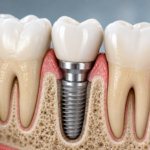


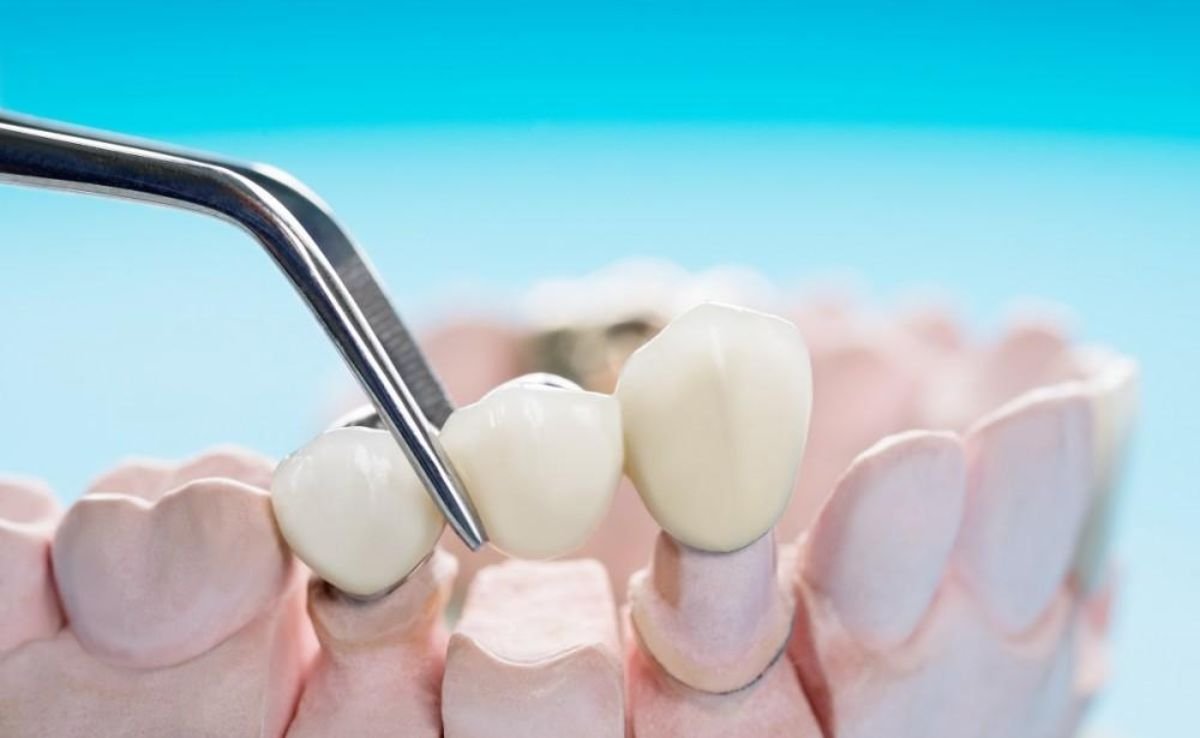
The 5 most common types of dental bridges in Malaysia are traditional, Cantilever, Maryland, implant-supported and composite bridges. Depending on the situation, your dentist may recommend one of these options to you to replace a missing tooth. But with multiple types available, it’s not as simple as picking one off a menu. Each dental bridge type works best in different scenarios.
In this guide, we’ll walk you through the main types of dental bridges available in Malaysia, when they’re typically used, and what might work best for your smile.
What Is a Dental Bridge and How Does It Work?
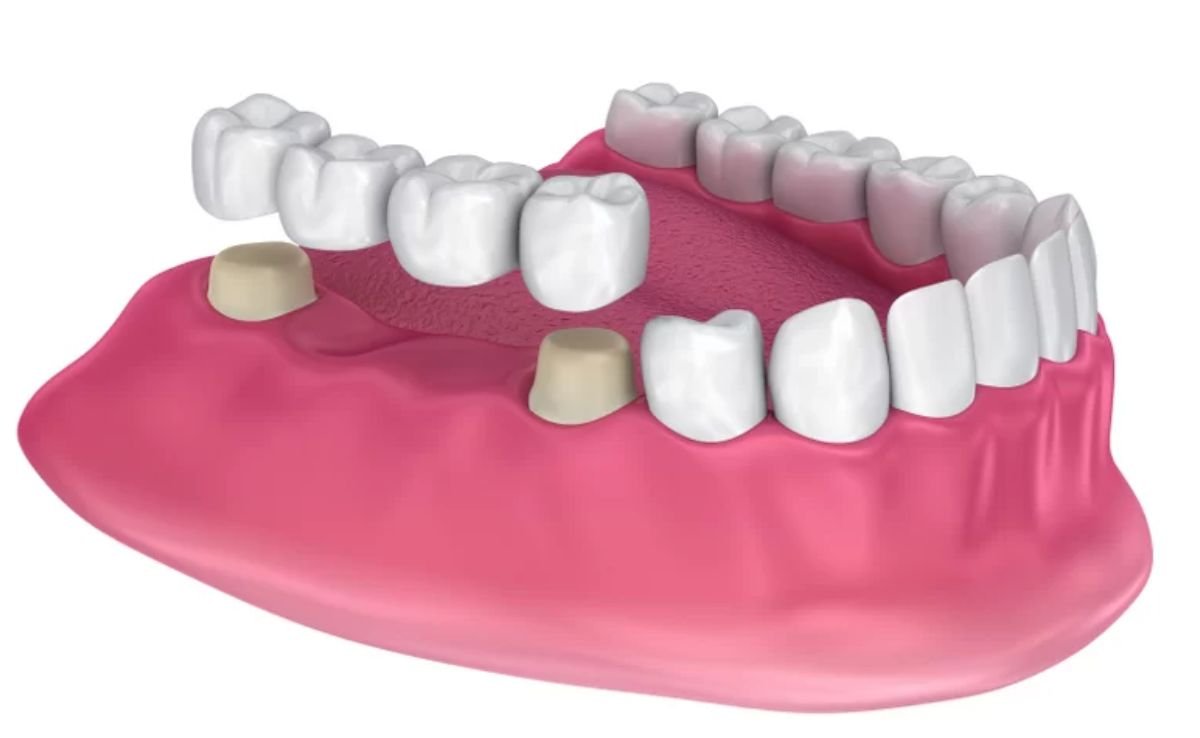
A dental bridge is a fixed prosthetic device used to replace one or more missing teeth. It quite literally “bridges” the gap, anchoring a false tooth (or teeth) between existing natural teeth or dental implants.
Depending on the type of bridge, these anchors could be reshaped natural teeth or titanium dental implants. The result is a functional, natural-looking replacement that restores chewing ability, maintains face shape, and prevents other teeth from drifting out of position.
The 5 Main Types of Dental Bridges Available in Malaysia
Traditional Dental Bridge
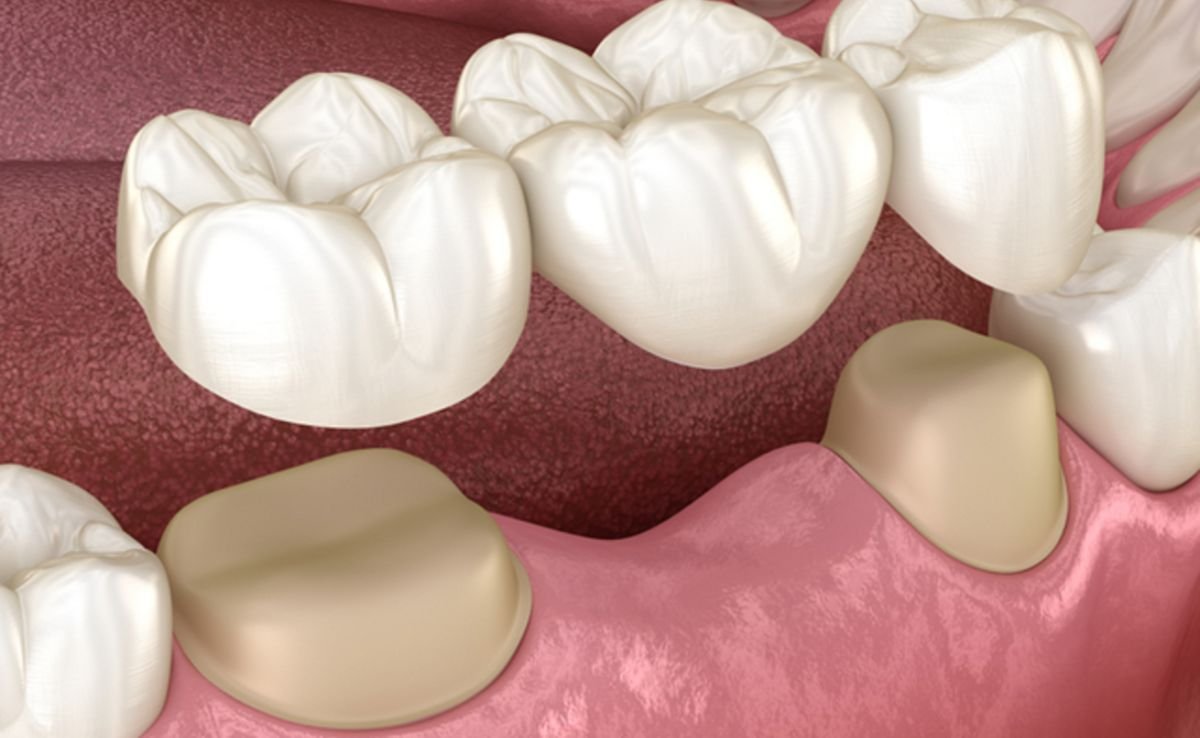
This is the most widely used type, especially when you have healthy teeth on both sides of the gap. It involves creating crowns for the two supporting teeth (called abutments), with a false tooth (called a pontic) suspended in between.
It’s ideal for molars or back teeth where strength and durability are key. While it’s reliable and long-lasting, it does require reshaping the adjacent healthy teeth, which may not suit everyone.
Cantilever Dental Bridge
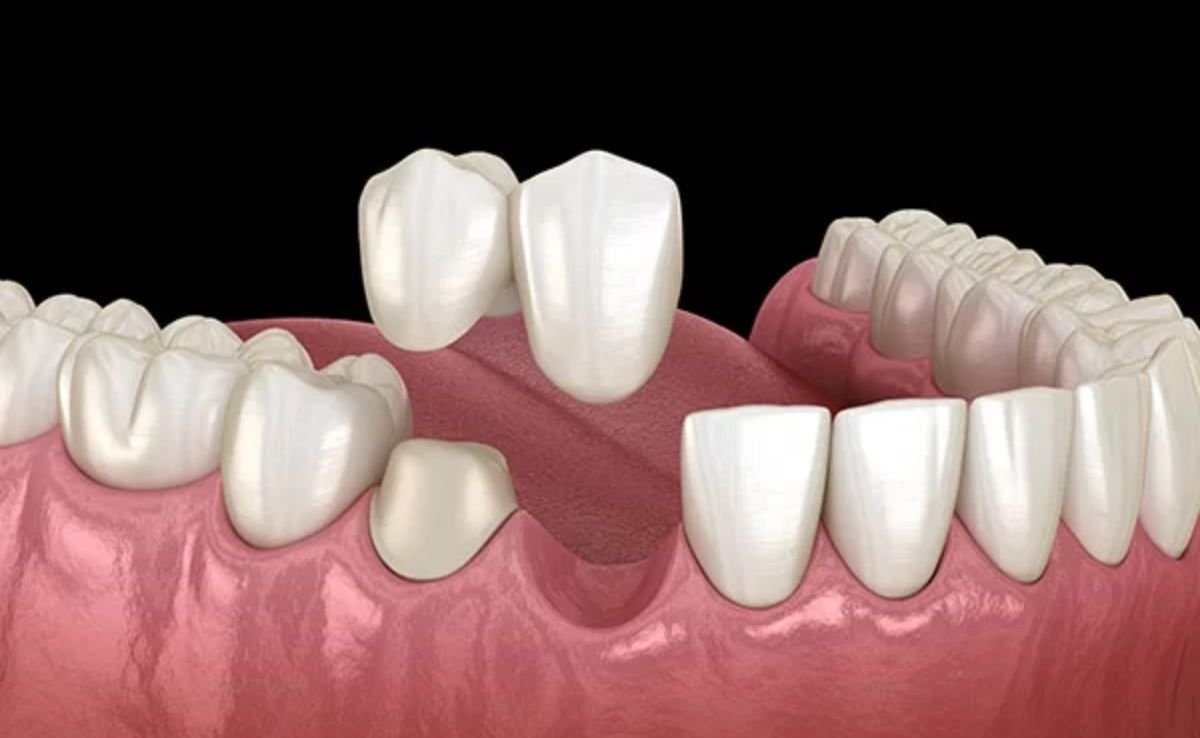
In cases where there’s only one natural tooth next to the gap, a cantilever bridge is the go-to option. It’s supported by just one anchor tooth, making it a more conservative option when space is limited.
Because it depends on a single anchor, it’s best used in low-pressure zones like the front teeth. Using it in back molars, where biting force is stronger, could place too much strain on the supporting tooth — so it’s used with caution.
Maryland Dental Bridge
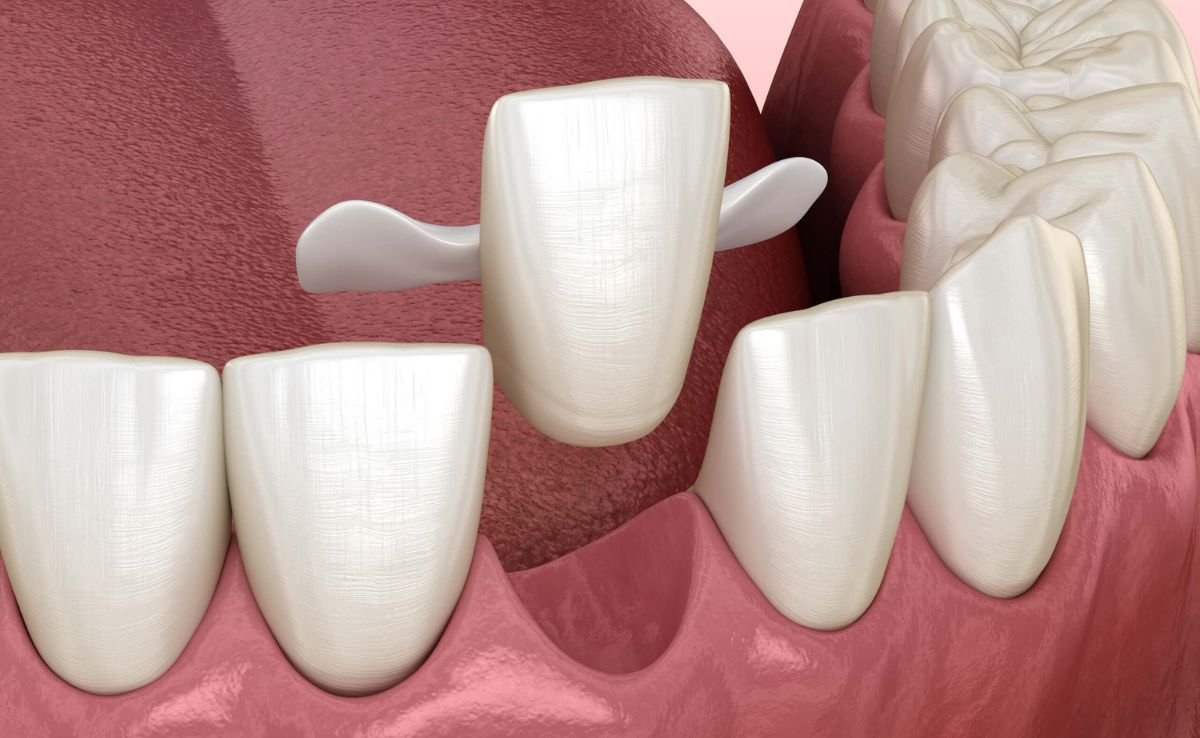
Also known as a resin-bonded bridge, the Maryland bridge skips the crown process altogether. Instead, it uses a metal or ceramic framework with “wings” that are bonded to the backs of neighbouring teeth.
This bridge is minimally invasive and preserves your natural tooth structure. It’s ideal for front teeth where cosmetic appearance matters and chewing pressure is lighter. However, it may not be as durable under heavy biting forces.
Implant-Supported Dental Bridge
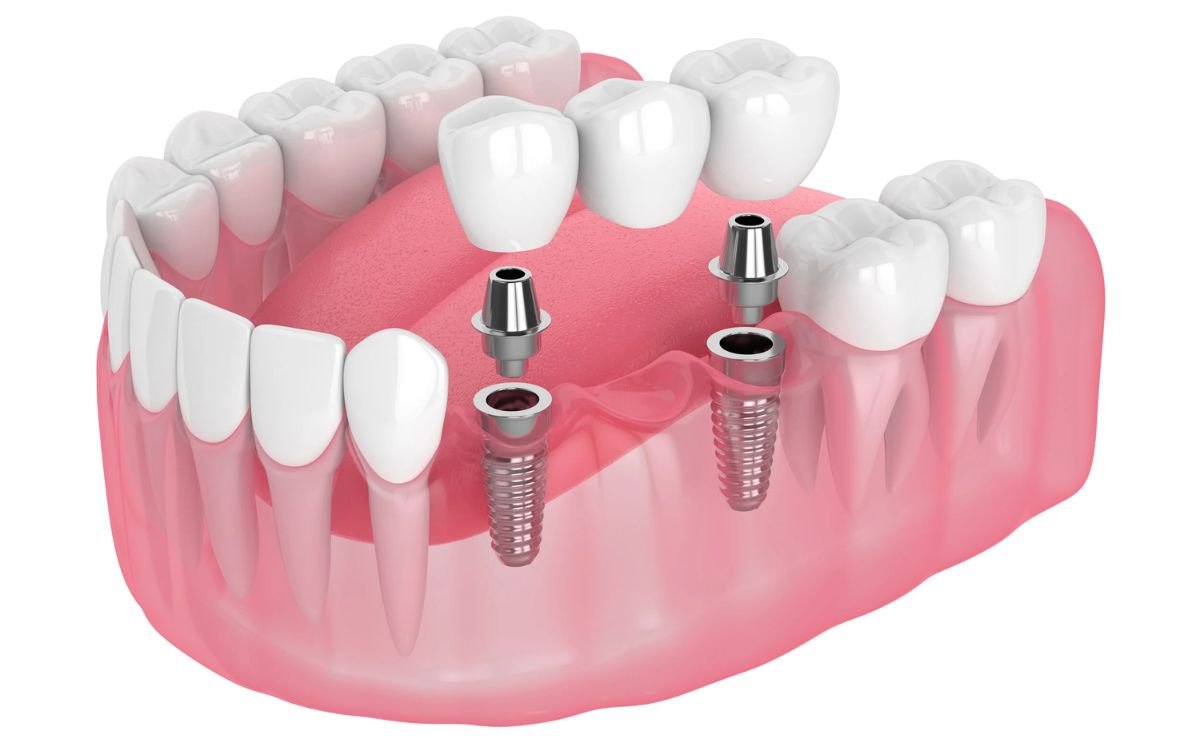
When multiple teeth are missing or neighbouring teeth aren’t strong enough to support a traditional bridge, implant-supported bridges are the best solution.
They’re anchored into the jawbone using dental implants, offering excellent strength and long-term stability. This type of bridge doesn’t rely on natural teeth, which makes it ideal for patients who want a durable, bone-preserving solution.
The process takes longer, since it involves implant placement and healing (called osseointegration), but the results can last decades.
Composite Dental Bridge
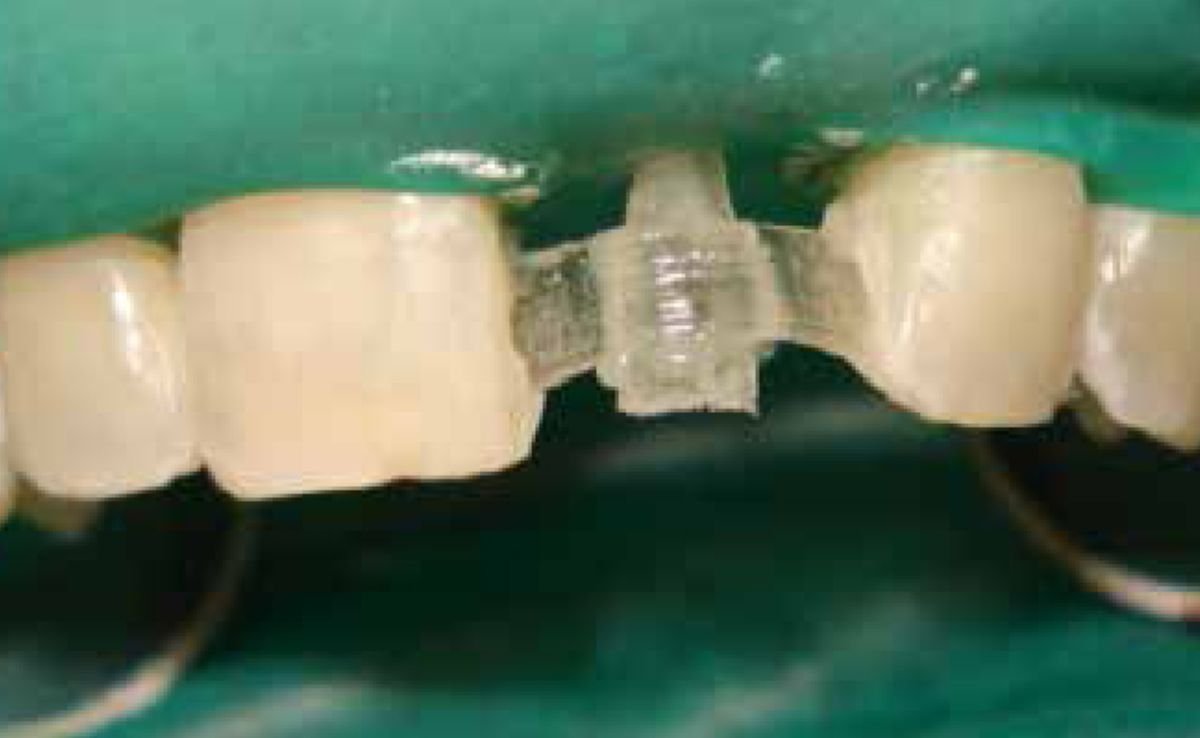
Think of this as a temporary or budget-conscious option. A composite bridge is made from dental bonding material, often reinforced with fibres. It’s usually placed without reshaping the teeth, making it quick and non-invasive.
That said, it’s not as durable or long-lasting as other bridges and is generally used as a stopgap — for example, while waiting for an implant or as a cosmetic fix in low-stress areas.
How to Choose the Right Type of Bridge for Your Smile
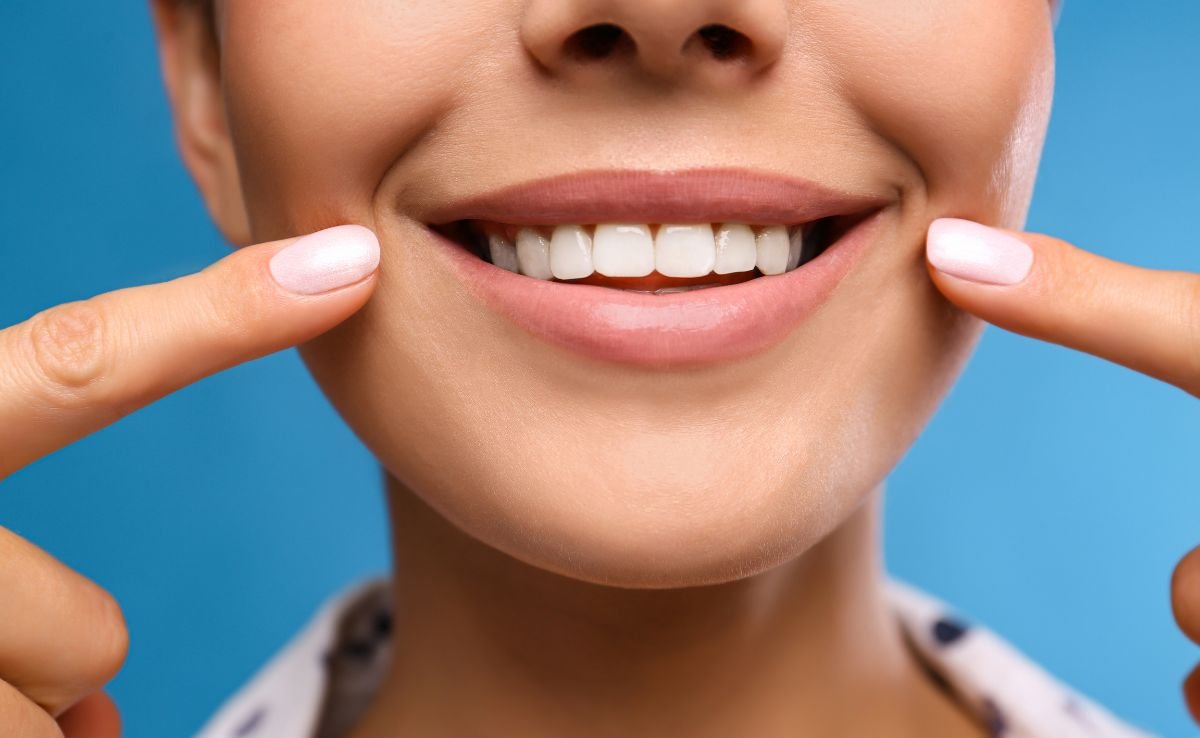
Location of the Bridge At the Front Teeth vs Back Teeth
The position of the missing tooth plays a huge role. Front teeth prioritize appearance and minimal invasion, while back teeth need strength and stability. For instance, Maryland or composite bridges may suit front teeth, while traditional or implant bridges are more suitable for molars.
Cost, Budget & Insurance Limitations in Malaysia
While we’re not listing exact numbers here, dental bridge cost in Malaysia varies widely depending on the type, material, and clinic. Implant-supported options are usually more expensive, but also more durable. Composite and Maryland bridges cost less upfront but may not last as long.
Lifestyle Factors and Oral Hygiene Habits
If you grind your teeth, have gum issues, or aren’t consistent with oral hygiene, some bridges (like Maryland or cantilever) may not be suitable. Your long-term habits play a role in the type of restoration that will work best.
Bridge Lifespan and Maintenance Differences
Traditional and implant-supported bridges usually last the longest with some up to 15 years or more with good care. Maryland and composite bridges tend to have shorter lifespans. Daily brushing, flossing (yes, under the bridge), and regular dental checkups are key to extending their life.
What About Materials For Your Dental Bridge?
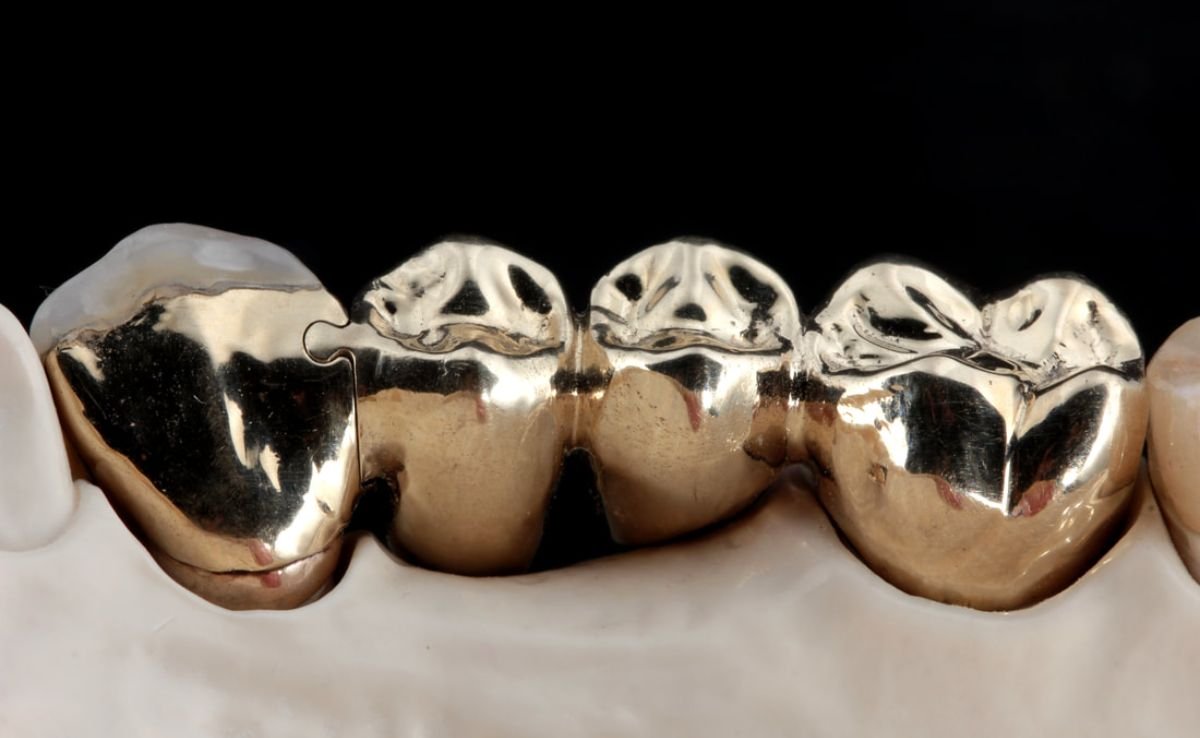
Porcelain, Zirconia, Metal, and Composite
- Porcelain is highly aesthetic and blends well with natural teeth, making it ideal for front bridges.
- Zirconia offers the best of both worlds — it’s strong and natural-looking. Great for both front and back teeth.
- Metal (like gold or alloys) is durable but less cosmetic. Rarely used in visible areas.
- Composite is fast and affordable, but less durable over time.
At Unique Dental, we select materials based on your bite strength, cosmetic goals, and budget, not just what looks good on paper.