Brush, Brush, Brush… Still Yellow? Your Favourite Drinks May Be the Culprit
You brush your teeth every day, maybe even twice. You floss. You rinse. You might even own a fancy electric toothbrush. But when you flash that smile in the mirror, the yellowish tinge is still there. Frustrating, right?
If you’ve been asking yourself, “Why are my teeth still yellow after brushing?”, you’re not alone. Many Malaysians experience the same thing, especially if your daily habits involve teh tarik, kopi, or green tea. Even with solid oral hygiene, some things are simply working harder against your whitening efforts, and they’re probably in your cup right now.
Before you go splurging on another whitening kit, let’s break down what’s really going on. Because sometimes, it’s not about how often you brush, it’s about what’s leaving the stains behind in the first place.
Why Your Teeth Stay Yellow Even If You Brush Daily
It’s easy to blame bad hygiene for yellow teeth, but that’s often not the real issue. Even those with great brushing habits can struggle with dull or stained teeth. Here’s why:
Surface Stains vs Internal Stains
Most yellowing starts on the outer layer of your teeth – the enamel. This is where extrinsic stains settle, usually from what you eat or drink. Over time, these pigments latch on and cause the colour to shift.
Then there are intrinsic stains, which happen deeper inside your tooth. These are harder to fix and usually result from enamel erosion, ageing, or certain medications. No amount of daily brushing will fully remove intrinsic stains without professional intervention.
Enamel Thickness and Natural Tooth Colour
Believe it or not, some people just have naturally yellow teeth. That’s because dentin, the layer beneath your enamel, has a yellow hue. If your enamel is thin (from genetics or erosion), more of that dentin shows through, making your teeth look duller no matter how much you clean them.
Poor Brushing Technique or Wrong Toothpaste
It’s not just that you brush, it’s how. Aggressive scrubbing can wear down enamel, exposing dentin underneath. Using a non-fluoride or overly abrasive toothpaste might not help either. Whitening products can also be misleading; they remove surface stains but won’t touch deeper discolouration.
Coffee, Tea and Tannins – What’s Really Staining Your Teeth?
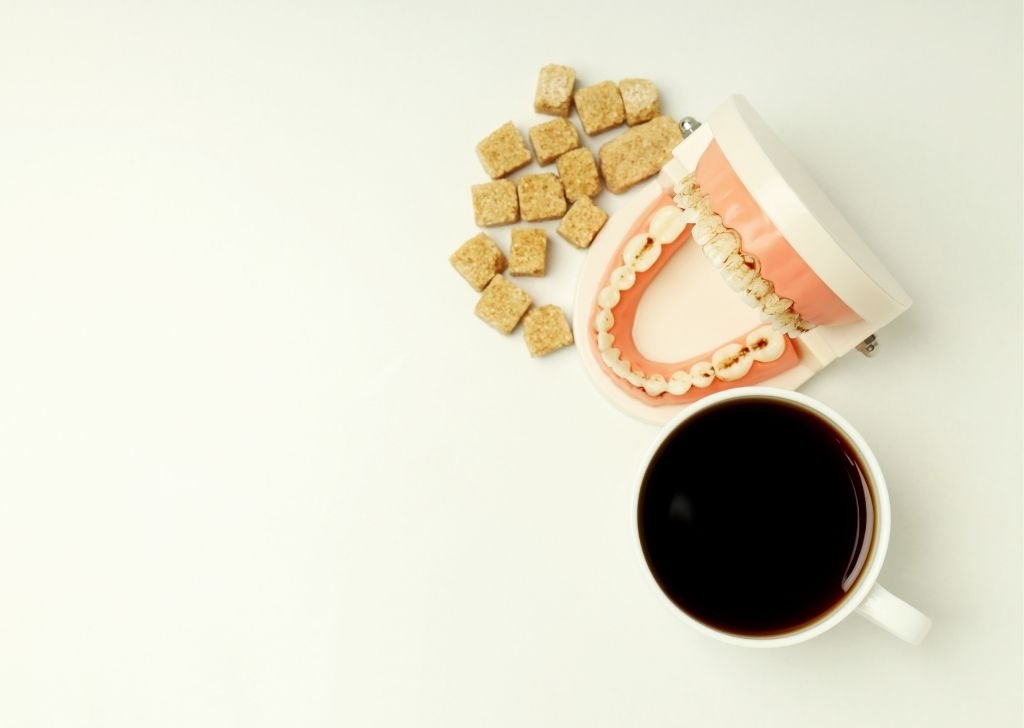
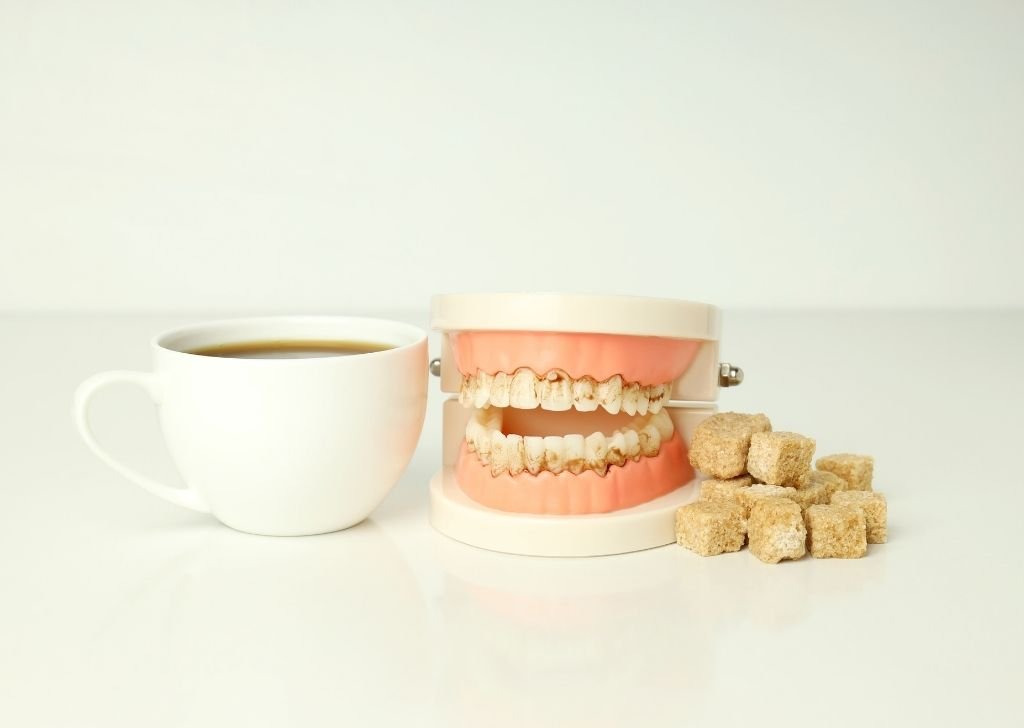
Malaysia’s coffee culture runs deep. From that strong morning kopi to your afternoon iced latte. Green tea, matcha, bubble tea, even herbal infusions are also daily staples. But here’s the reality: these drinks are major culprits in turning white teeth yellow, even if you brush regularly.
Let’s unpack how.
How Coffee Stains Your Teeth
Coffee contains chromogens. These are pigmented compounds that easily bind to your tooth enamel. When your enamel gets roughened up (even slightly), these pigments have more places to cling onto, building up layer by layer. Add to that coffee’s acidity, which can weaken enamel temporarily, and you’ve got the perfect storm for daily discolouration.
It doesn’t take a lifetime of coffee drinking to see the effects. Even just one cup a day can leave a visible impact over time.
Tannins and Polyphenols: Why They Stick to Your Enamel
Both coffee and tea contain tannins, a type of polyphenol that enhances pigment adhesion to enamel. Tannins act like a chemical “glue” for stains, making them stickier and more resistant to regular brushing.
Green tea, often seen as the “healthier” choice, also contains tannins. Though it usually contains less than black tea or coffee, because many people drink it frequently (especially in concentrated matcha form), the staining effect adds up just the same.
Interestingly, studies have shown that polyphenols in tea and coffee also have antioxidant benefits — but unfortunately, your teeth pay a cosmetic price.
Is Green Tea Better or Worse Than Coffee for Staining?
Green tea tends to stain in a different way than coffee. Instead of the brownish-yellow tones caused by coffee, green tea can cause grey or dull stains, especially on rougher or more porous enamel.
So, while it might not be as aggressive as black coffee, it still contributes to gradual discolouration – especially for those sipping multiple cups a day.
Frequency, Acidity, and How You Drink Matters
It’s not just what you drink, it’s how often and how you drink it. Sipping slowly throughout the day keeps your teeth coated in stain-causing compounds. Adding sugar or milk doesn’t eliminate the problem either, though milk might slightly buffer acidity, the staining agents are still there.
The takeaway? If your drinks are dark, acidic, and consumed frequently, they’re likely leaving their mark no matter how much you brush.
Read more: Root Canal Treatment Cost in Malaysia
Why Brushing Alone Might Not Be Enough

Yes, it’s frustrating. You follow all the rules, brush at least twice a day, maybe even floss. So why do your teeth still look yellow?
The answer comes down to how stains work and what brushing can (and can’t) actually do.
Brushing Doesn’t Remove Deep Stains
Toothbrushes are designed to clean the outermost layer of your teeth – enamel. They’re great at clearing away food particles and surface plaque. But they don’t reach below the enamel, where intrinsic stains live.
If pigments from your drinks or food have penetrated the enamel especially over months or years, brushing simply won’t get deep enough. These types of stains usually require professional cleaning or whitening to fully remove.
Whitening Toothpastes: Truth vs Marketing
You’ve probably seen rows of “whitening” toothpastes promising bright smiles in weeks. But here’s the truth: most whitening pastes only remove surface stains. They use gentle abrasives to polish the enamel, but don’t lighten the tooth colour itself.
Some might contain low doses of hydrogen peroxide but not nearly enough to have a lasting whitening effect. If you’re relying on these alone, you’re likely to be underwhelmed.
Local Habits in Malaysia That Can Contribute to Yellow Teeth
Malaysia’s vibrant food and drink culture is one of its biggest joys – but some of our everyday habits can quietly contribute to stained teeth, even if you’re brushing regularly.
Daily Drink Culture: Sugar and Colouring Add-Ons
From kopi ais to teh tarik, our drinks often come loaded with sugar, condensed milk, and food colouring. These additions don’t just affect your health, they also influence how easily your teeth pick up stains.
Sugar creates an environment where plaque bacteria thrive, producing acids that wear down enamel. Once enamel thins, your teeth become more porous and more likely to absorb stains from your favourite drinks.
Some beverages also contain artificial colourants, especially those neon iced drinks or bubble teas. These dyes can cling to enamel more aggressively than natural pigments.
Water Fluorosis and Natural Discolouration
In certain parts of Malaysia, particularly rural or high-fluoride areas, natural fluoride levels in the water can cause a condition called dental fluorosis. While fluoride is good for preventing cavities, excessive exposure during tooth development can cause white or brownish marks on teeth.
These marks aren’t stains in the traditional sense as they’re a form of enamel discolouration that can make teeth appear patchy or yellow, especially under certain lighting. Brushing won’t remove fluorosis, but a dentist can offer treatment options like microabrasion or whitening.
These local factors mean even the most diligent brushers can struggle with discolouration. But understanding the cause is the first step to managing it and keeping your smile bright for the long haul.
How Should I Enjoy My Favourite Local Drinks Without Staining My Teeth?
Let’s be real, no sane Malaysian is giving up kopi o, teh tarik, or that daily green tea fix anytime soon. But the good news is: you don’t have to. You can enjoy your favourite drinks and keep your teeth looking clean if you’re smart about how you do it.
What to Do After Drinking Teh Tarik, Kopi, or Matcha
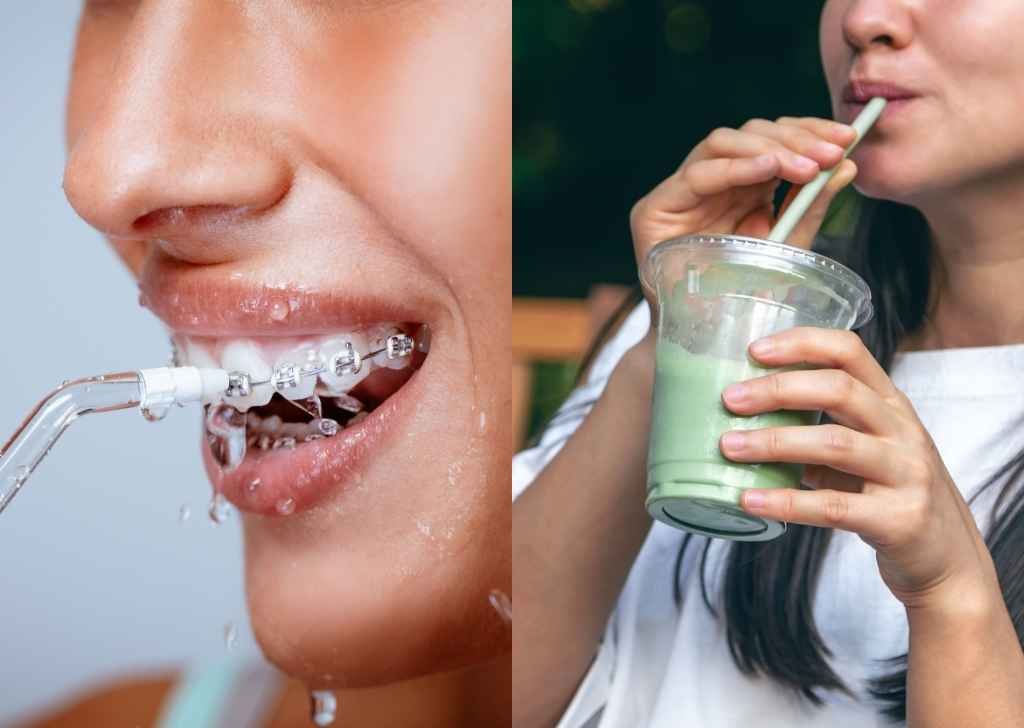
The easiest habit? Rinse your mouth with water right after drinking. This helps flush away tannins and pigments before they latch onto your enamel.
Even swishing water for 10 seconds works better than doing nothing. The sooner you dilute those stain-causing compounds, the less time they have to settle into your teeth.
If you’re on the go, sugar-free gum can stimulate saliva, which also helps neutralise acid and wash away residue naturally.
Drink Smarter: Rinsing, Sipping with a Straw, Timing
When possible, use a straw for cold drinks. It directs the liquid past your front teeth, reducing direct contact with enamel. This works for iced green tea, iced coffee, and other dark beverages.
Also, avoid sipping slowly over long periods. Stretching your drink over an hour means your teeth are constantly bathed in pigment. Instead, try to drink in one sitting, rinse, and move on.
And if you brush after drinking, wait at least 30 minutes. Brushing immediately can damage softened enamel especially after acidic drinks like coffee or fruit teas.
When to See a Dentist for Stain Removal
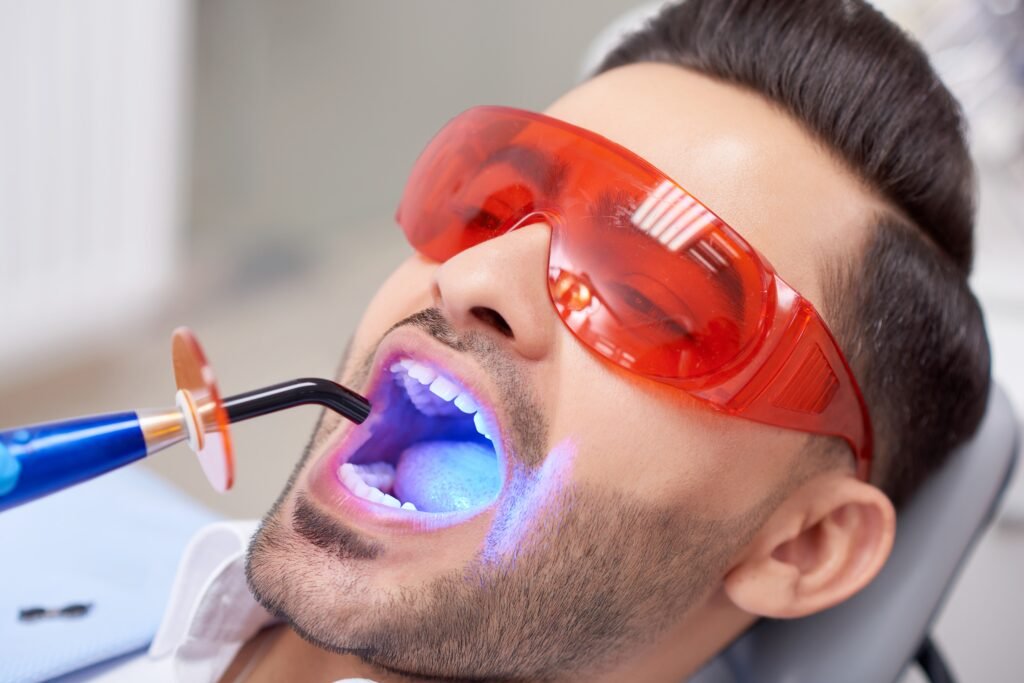
If you’ve been brushing consistently but still see yellow tones, it’s time to get a professional opinion. Dentists can perform:
- Scaling and polishing, which removes hardened plaque and surface stains.
- Professional whitening, which penetrates enamel to remove intrinsic stains.
- Advice on enamel-safe habits, like fluoride treatments or stain-resistant care.
Think of brushing as maintenance, not a solution. When stains have already set in, brushing is more of a shield than a sword.
Read more: How to Maintain Your New Tooth Filling To Make It Last Longer
How to Keep Your Smile Bright, Naturally
You don’t need to overhaul your lifestyle or give up your favourite drinks to maintain a brighter smile. But you do need a strategy that goes beyond just brushing. Here’s how to make your daily routine work harder.
Start With a Good Oral Hygiene Routine
A solid routine starts with more than just brushing. Yes, you should brush twice a day, but how you brush matters. Use a soft-bristled brush, spend at least two minutes each time, and angle the brush at 45 degrees to reach the gum line.
Pair brushing with flossing once a day to remove plaque and food particles between teeth and areas your toothbrush can’t reach.
Don’t forget about mouthwash. Choose one with antibacterial properties to help control plaque, or a fluoride rinse to strengthen enamel.
Choose Foods That Naturally Clean Teeth
Certain foods can actually help scrub your teeth as you eat. Crunchy fruits and vegetables like apples, carrots, and celery increase saliva production and mechanically remove surface debris. Cheese, meanwhile, helps neutralise acids and strengthens enamel thanks to its calcium and phosphate content.
Include these in your diet regularly, especially after drinking coffee or tea. they act like nature’s toothbrush in between actual brushes.
Whitening Methods That Are Safe and Effective
For stains that brushing and diet can’t fix, it’s worth looking into professional whitening options. These go beyond surface-level polishing and use peroxide-based agents to penetrate enamel and break up deep stains.
If you prefer home whitening, be cautious. Many over-the-counter products can cause sensitivity or enamel erosion if misused. Always consult your dentist before starting any whitening routine, especially if you have existing dental work like fillings or crowns.
Whitening isn’t a one-time fix. However, at Unique Dental, we can give you a noticeable reset and help you maintain a cleaner canvas going forward.
Final Thoughts: Brushing Is Just One Part of the Picture
Brushing is essential, but it’s just one tool in your dental care kit. How you drink, what you eat, and how well you protect your enamel matter just as much. Add smart routines like rinsing after drinks, eating naturally cleansing foods, and seeing your dentist for regular cleanings and your daily brushing will start to show the results you’ve been hoping for.
Because a brighter smile isn’t just about brushing harder. It’s about brushing smarter.