
Imagine one moment you’re chewing on food, then next, you feel a “crack” inside your mouth followed by a sharp edge or sudden pain. A tooth has cracked inside your mouth! If this has happened to you, the first thing you should do is not to panic. In many cases, the tooth can be saved if you take the right steps quickly before heading to your dentist.
At Unique Dental Kota Kinabalu, we’ve helped countless patients protect and repair cracked teeth — from small surface fractures to more severe breaks using dental veneers. The key is to act fast. The longer the crack is left unprotected, the greater the chance it will worsen, become infected, or even lead to tooth loss.
In this guide, you’ll learn exactly what you can do at home to protect your teeth until you get professional care — plus what you should never do that could make things worse.
First Things First, Stay Calm and Act Quickly
When you crack a tooth, your first reaction might be panic especially if it’s painful or affects your smile. But staying calm and acting quickly gives you the best chance of saving the tooth.
Why Quick Action Saves Teeth
Once the enamel is compromised, the inner layers of your tooth, the dentin and pulp become more vulnerable. Bacteria can enter through the crack, leading to infection, inflammation, and irreversible damage. Acting immediately helps limit this exposure and preserves as much of your tooth as possible.
Why Waiting Can Make Things Worse
A crack that starts small can deepen quickly with everyday activities like chewing or even clenching your jaw. Without intervention, what could have been a simple repair might turn into a root canal or extraction. In some cases, cracks can extend below the gum line, making the tooth impossible to save.
Think of it like a cracked windscreen — the sooner you address it, the less chance it has to spread.
Step 1 — Rinse and Assess the Damage

The first thing you should do after cracking a tooth is clean the area. This helps remove any food debris, bacteria, or small fragments that could irritate the tooth or gums.
Use Warm Water to Clean the Area
Rinse your mouth gently with warm water and wash away loose particles without triggering sensitivity or causing discomfort. Using cold or hot water will further irritate the fracture and cause more pain. Avoid using mouthwash with alcohol at this stage, as it can sting and dry out the tissue around the tooth.
If the crack occurred while eating, check that there are no food particles lodged between your teeth. You can carefully use dental floss, but avoid snapping it down onto the cracked tooth.
Look for Visible Pieces or Sharp Edges
Stand in front of a well-lit mirror and gently open your mouth to inspect the tooth. You may see:
- A visible crack line
- A small chip or missing piece
- A jagged edge that feels sharp to your tongue
If you can spot the broken fragment and it’s large enough to handle, set it aside for your dentist. In some cases, it can be reattached. We’ll cover how to store it later in this guide.
The goal here is to understand the extent of the damage without applying pressure to the tooth. This information will also help your dentist plan the most suitable treatment when you arrive at the clinic.
Step 2 — Control The Bleeding (If Any)
If your cracked tooth happened because of a fall, a blow to the face, or biting something unexpectedly hard, you might see a bit of bleeding from the gum area. While it can look alarming, most bleeding can be controlled at home until you get to your dentist.
Use Gentle Pressure to Help Clotting
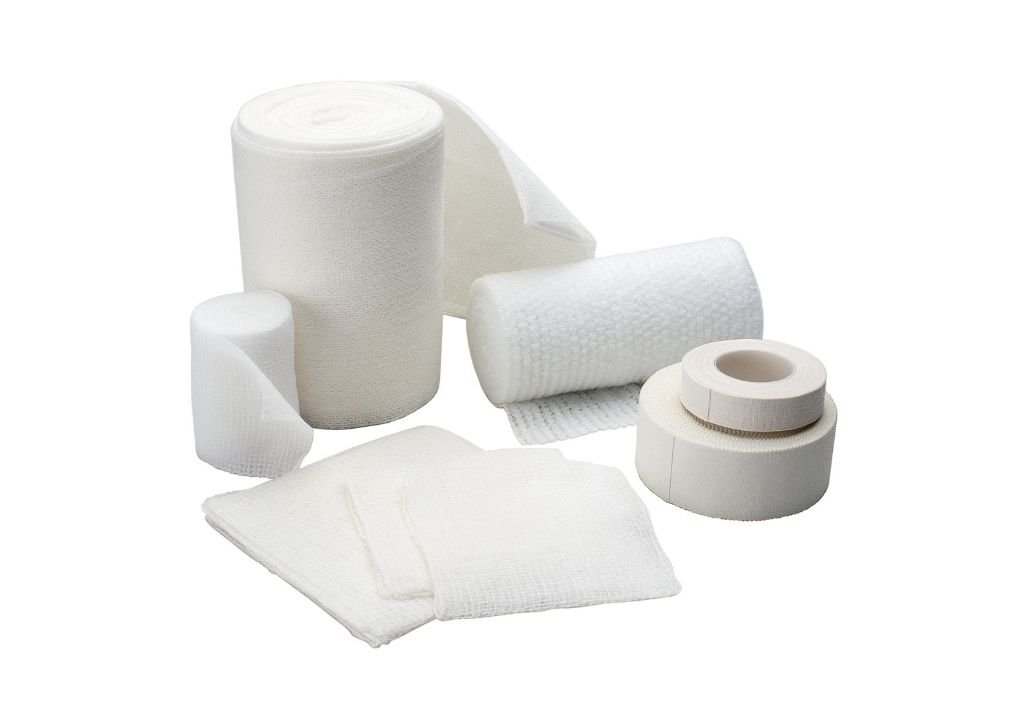
If you have sterile gauze in your first-aid kit, fold a small piece and place it over the bleeding area. Apply gentle but firm pressure for about 10–15 minutes.
If you don’t have gauze handy, try one of these common household alternatives:
- A clean cotton pad or makeup remover pad
- A small piece of clean kitchen paper towel, folded over a few times
- A damp tea bag — the tannins in tea may help blood clot faster
Whichever you choose, make sure it’s clean and slightly damp to avoid sticking to the wound.
Avoid Irritating the Area Further
Once bleeding slows or stops, avoid poking the site with your tongue or fingers. Disturbing the clot can restart bleeding and delay healing.
If bleeding persists beyond 20–30 minutes despite applying pressure, seek dental or emergency care immediately, as this may indicate deeper gum or tissue injury.
Step 3 — Protect the Tooth from Further Damage

Once you’ve cleaned your mouth and controlled any bleeding, the priority is to stop the crack from getting worse before you see a dentist. A cracked tooth is vulnerable; chewing, biting, or even clenching your jaw can deepen the fracture.
Avoid Chewing on the Affected Side
Keep all food away from the cracked tooth. Even soft foods can put uneven pressure on it, worsening the damage. Stick to chewing on the opposite side of your mouth until your dentist repairs it.
Be Careful With The Sharp Edges
If the crack has left a sharp or jagged edge, it can cut your tongue or inner cheek. To prevent injury, try to minimize movement in that area and avoid poking it too much with your tongue. Chew your food slowly if you have to.
Step 4 — Save Any Broken Pieces

If part of your tooth has broken off, don’t throw it away, bring it with you to your dental appointment. In some cases, especially with larger fragments, your dentist may be able to bond it back onto the tooth, restoring its natural look and function.
How to Store the Broken Piece
Place the piece in one of the following:
- Milk — It helps preserve the cells and moisture in the tooth fragment.
- Saline solution or salt water — If you have contact lens solution, it works well for short-term storage.
- Your own saliva — Place the piece in a clean container and cover it with your saliva. Avoid keeping it loose in your mouth, as you might accidentally swallow it.
Why This Matters
While reattaching a broken fragment isn’t always possible, having it on hand gives your dentist more options. Even if the piece can’t be used, it can help your dentist assess how much of the tooth has been lost and plan the most appropriate repair.
The sooner you get the piece and the cracked tooth to your dentist, the better the chances of a successful restoration. If the crack is moderate to severe, your dentist may recommend a dental crown to protect and restore the tooth’s strength.
Step 5 — Managing Pain and Sensitivity

Sensitivity to hot, cold, or even air is common with a cracked tooth, and chewing can trigger sharp discomfort. Managing this pain at home is key to keeping you comfortable until your dental appointment.
Cold Compress Outside the Cheek
Place a cold pack or a bag of ice wrapped in a clean cloth against the outside of your cheek near the affected tooth. Keep it there for 10–15 minutes at a time, with short breaks in between. This can help reduce swelling and numb the area to make it more manageable. Avoid placing ice directly on the tooth as it will increase the sensitivity on the nerves.
Over-the-Counter Pain Relief
Medications like paracetamol (Panadol) or ibuprofen (Nurofen) can be effective for controlling discomfort. Follow the dosage instructions on the packaging and avoid taking aspirin directly on the gums. It can burn the tissue and cause more harm than good.
Avoid Hot, Cold, and Sugary Foods
Extreme temperatures can irritate the nerve further when a tooth is cracked, and sugary foods or drinks can seep into it. Stick to soft, lukewarm foods and drink water until you’re able to get treatment.
Step 6 — Book a Dental Appointment As Soon As You Can

Even if the pain has eased after taking precautions, a cracked tooth is considered a dental emergency. It will not heal on its own, and delaying treatment can allow the crack to spread or lead to infection. Contact your local dentist in Kota Kinabalu to schedule the next available session of the day.
Why a Same-Day Visit Is Ideal
The sooner a dentist examines your tooth, the more options you’ll have for saving it. Early treatment can mean the difference between a simple bonding procedure and a more complex root canal treatment or extraction.
How Unique Dental Kota Kinabalu Can Help
At Unique Dental Kota Kinabalu, we have extensive experience treating cracked teeth of all types. We always aim to preserve as much of your natural tooth as possible while restoring its strength, function, and appearance.
If you’ve just cracked a tooth, call us immediately. The faster we see you, the better your chances of saving your tooth without needing major treatment.
What NOT to Do with a Cracked Tooth
When dealing with a cracked tooth, what you don’t do is just as important as the steps you take. Certain actions can make the crack worse, increase pain, or create new complications that make treatment harder.
Don’t Bite Down on Hard Foods
Avoid chewing nuts, ice, hard candy, or crusty bread on the affected side. Even a small amount of pressure on a cracked tooth can cause the fracture to deepen or break completely.
Don’t Try to File or Smooth the Tooth Yourself
Using nail files, sandpaper, or other tools to smooth sharp edges can cause additional chipping and damage. It may also introduce bacteria directly into the crack, increasing the risk of infection.
Don’t Use Over-the-Counter Glues or Adhesives (Duh)
Household glues are toxic and not designed for oral use. They can damage your tooth’s surface and gums, and make professional repair more difficult.
Don’t Ignore the Problem
Even if the pain subsides, a cracked tooth won’t heal by itself. The damage remains and can worsen quietly until it becomes painful or infected. Always have a cracked tooth assessed by a dentist as soon as possible.