
You can whiten teeth naturally by reducing coffee stains at the enamel level, supporting saliva and enamel health, and using gentle, evidence-backed methods rather than harsh DIY tricks.
Coffee is deeply woven into daily routines in Kota Kinabalu, from a quick morning cup to long kopitiam sessions throughout the day. Over time, this regular exposure is also one of the main reasons tooth colour changes, especially when natural methods and routine brushing no longer produce noticeable results.
The truth is, brushing alone doesn’t fail because you’re lazy or doing it wrong. It fails because coffee stains teeth in a way that normal brushing simply can’t reverse once those pigments settle into the enamel. Understanding why this happens is the first step to fixing it without giving up what you enjoy.
Why Coffee Stains Teeth Even If You Brush Daily
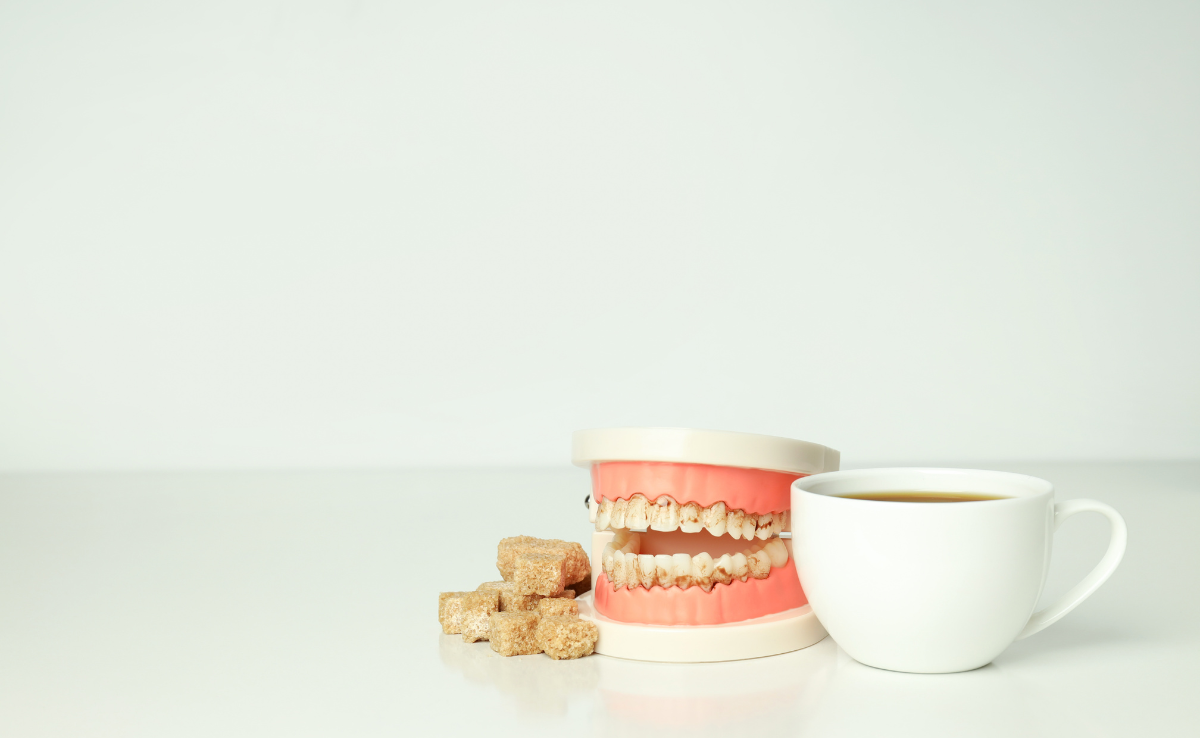
Coffee doesn’t just sit on your teeth; it interacts with your enamel in a way that makes stains stubborn and cumulative over time. Coffee contains dark-pigmented compounds known as chromogens. These molecules have a strong affinity for enamel, especially when the enamel surface is slightly rough or dehydrated. Once chromogens attach, they gradually build up a visible yellow or brown tint that brushing can only partially remove.
This is why people who brush consistently can still notice staining as the pigments are not plaque, and they don’t behave like food debris.
Tannins and Polyphenols – Why Coffee Is So Stubborn
Coffee also contains tannins, a type of polyphenol that increases the ability of pigments to stick to enamel. Tannins act like binding agents, helping chromogens cling more tightly and resist removal through normal brushing.
This same mechanism is well documented in tea and red wine staining. According to research indexed by the National Institutes of Health, tannins increase stain adhesion by interacting with enamel proteins, making discolouration harder to remove once established
Why Frequency Matters More Than Strength
It’s not how strong your coffee is; it’s how often your teeth are exposed. Sipping coffee slowly over long periods keeps your enamel in constant contact with staining compounds. Brushing aggressively afterwards can actually make things worse by thinning enamel and exposing more yellow dentin underneath.
This is also why dentists often see increased sensitivity and discolouration together, as both are linked to enamel wear.
Method #1 – Baking Soda (With Caution)
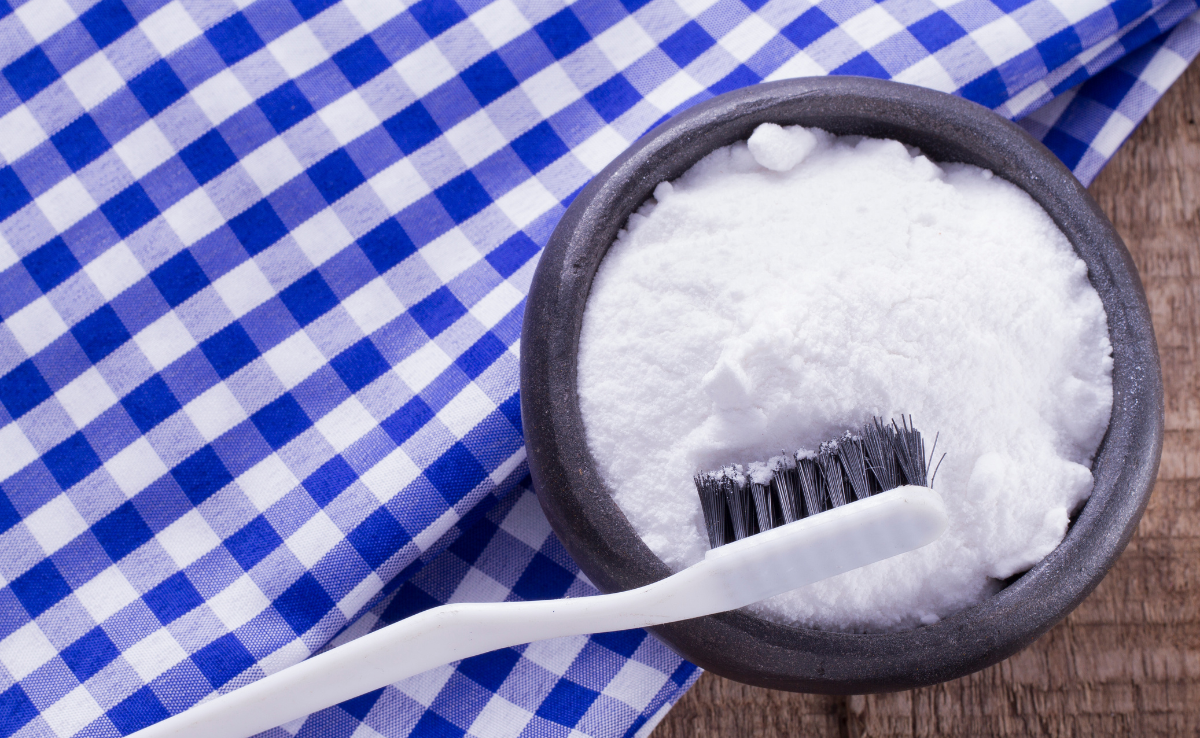
Baking soda is one of the most commonly suggested natural whitening methods, and unlike many internet trends, it does have a real mechanism behind it. That said, it’s also one of the easiest ways to damage enamel if used incorrectly.
Why Baking Soda Can Reduce Surface Stains
Baking soda is mildly abrasive. When applied to teeth, it helps scrub away surface stains caused by coffee, tea, and food pigments. This polishing effect can make teeth look brighter because it removes the outer layer of discolouration that builds up over time.
The American Dental Association notes that some whitening toothpastes use controlled abrasives for this reason, though they are formulated to minimise enamel wear
Why Overuse Can Harm Enamel
The same abrasive quality that removes stains can also wear down enamel. Using baking soda too often or brushing aggressively with it can thin the enamel layer, allowing the yellow dentin underneath to show through more clearly.
Once enamel is worn down, it does not regenerate. At that point, teeth may appear darker and become more sensitive, even if they are technically clean.
This is why many dentists caution against daily or long-term use of baking soda as a whitening method.
Method #2 – Using Activated Charcoal
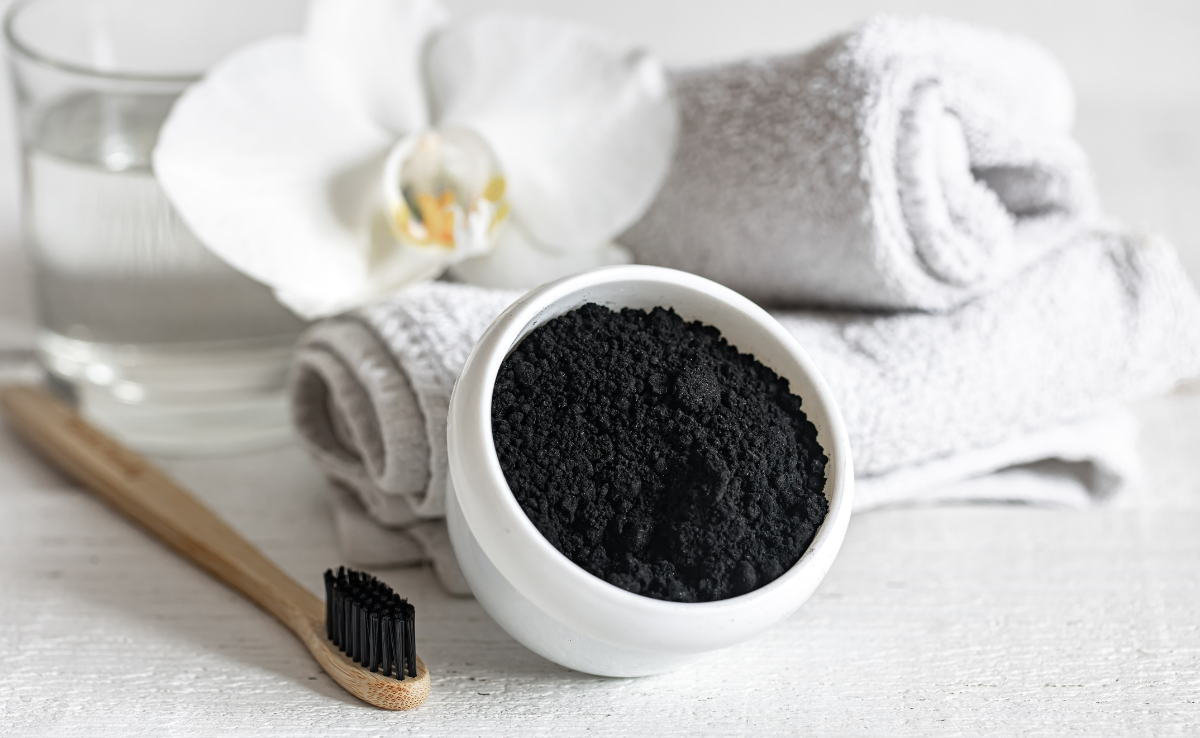
Activated charcoal has become one of the most talked-about “natural” whitening ingredients, especially on social media. Black toothpaste promising whiter teeth sounds counterintuitive, but the idea behind charcoal whitening is rooted in chemistry rather than colour.
The Theory Behind Charcoal Whitening
Activated charcoal is highly porous. In theory, those pores can bind to surface compounds on teeth, including pigments from coffee and tea. This process is known as adsorption, where substances adhere to the surface of another material rather than being absorbed into it.
When used briefly, charcoal may help remove some surface debris and staining, which can make teeth appear cleaner or slightly brighter in the short term.
Why Dentists Are Cautious About Charcoal
Despite its popularity, charcoal is abrasive. Many charcoal-based powders and toothpastes are not standardised, meaning the level of abrasiveness can vary significantly from one product to another.
The concern is that repeated use can wear away enamel, similar to overusing baking soda, but often more aggressively. As enamel thins, teeth may look darker over time and become more sensitive.
Why Results Often Don’t Last
Any brightness seen from charcoal is usually temporary. It does not change the internal colour of the tooth or reverse deeper staining caused by long-term coffee consumption. Once enamel is worn or stains are embedded below the surface, charcoal cannot address the underlying issue.
For this reason, charcoal is best viewed as a short-term cosmetic cleanser rather than a reliable whitening solution. Used frequently, it may do more harm than good.
Method #3 – Teeth Whitening Toothpaste
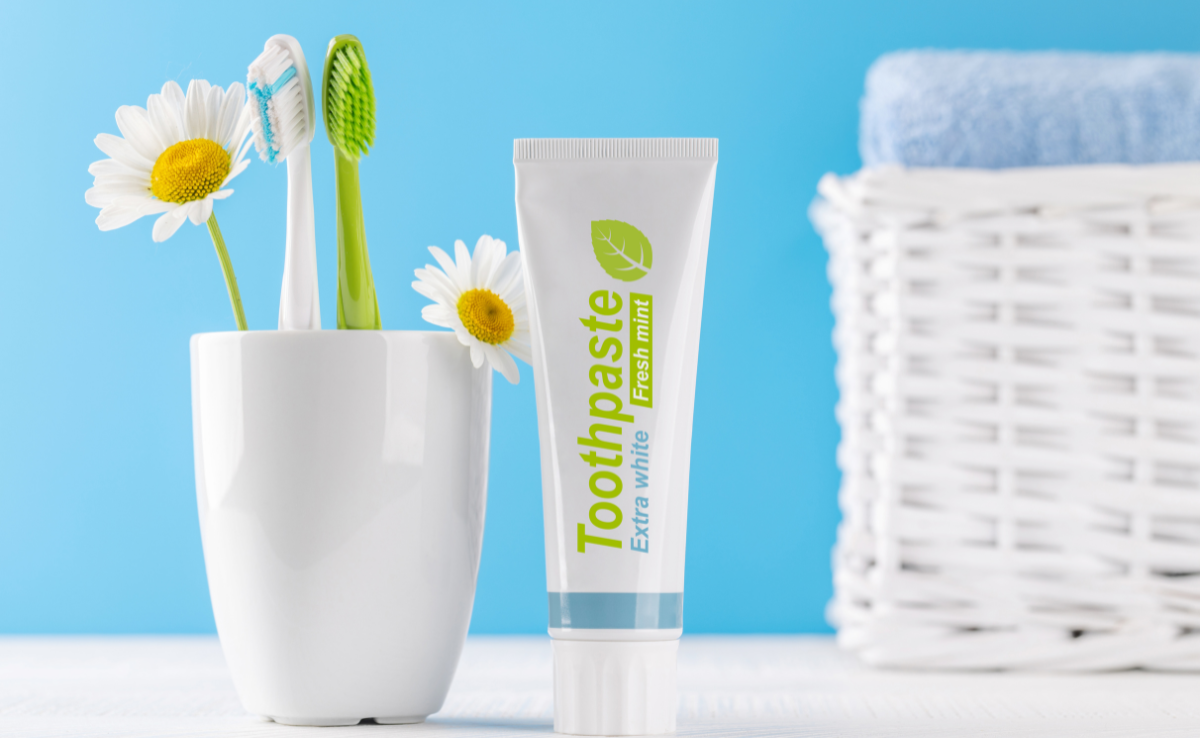
Whitening toothpastes are often the first thing people try when natural remedies don’t seem to work. They’re easy to use, widely available, and marketed as a safer alternative to DIY methods. But their role in whitening is often misunderstood.
How Whitening Toothpastes Work
Most whitening toothpastes do not change the natural colour of your teeth. Instead, they rely on mild abrasives or polishing agents to remove surface stains caused by coffee, tea, and food pigments. Some formulas also include low concentrations of peroxide, though these levels are typically too mild to affect deeper discolouration.
This means whitening toothpaste can help maintain a cleaner appearance, especially after professional cleaning, but it rarely delivers a dramatic colour change on its own.
Why Results Plateau Over Time
Many users notice an initial improvement, followed by little to no change after a few weeks. This happens because once surface stains are removed, the toothpaste has nothing left to act on. The remaining yellow tone often comes from enamel translucency or internal dentin colour, which toothpaste cannot alter.
Who Should Be Careful Using Whitening Toothpaste
People with sensitive teeth, thin enamel, or existing dental restorations should use whitening toothpastes cautiously. Abrasive formulas can worsen sensitivity and will not whiten fillings or crowns, which may lead to uneven colour over time.
For coffee drinkers, whitening toothpaste works best as a supporting tool, not a standalone solution.
Method #4 – Teeth Whitening Strips
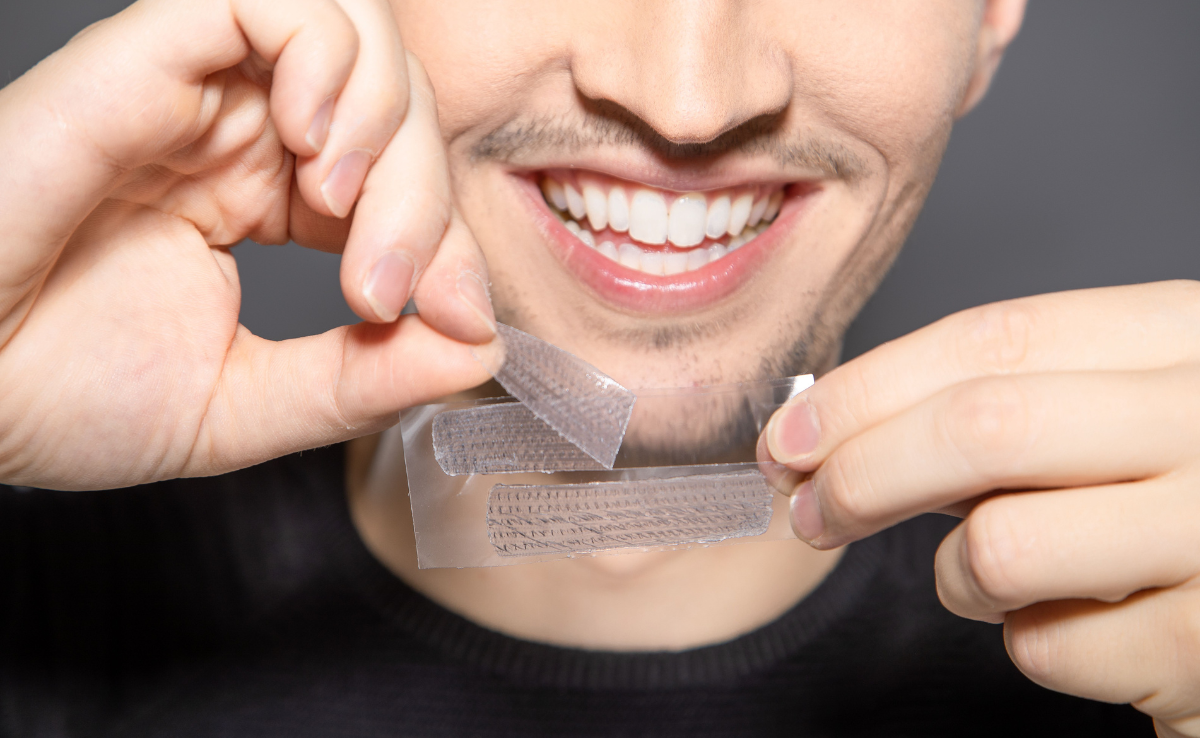
Whitening strips often sit in a grey area between natural methods and professional treatment. They’re easy to use, widely available, and marketed as a gentle way to lighten teeth at home. But their effectiveness depends heavily on the type of staining you’re dealing with.
How Whitening Strips Work
Most whitening strips use a thin layer of peroxide gel that adheres to the surface of your teeth. Peroxide works by breaking down stain molecules, allowing them to become less visible. Because the concentration is low, strips are designed to be safer for home use than in-clinic whitening.
This means they can help with mild to moderate surface staining, particularly stains caused by coffee or tea that haven’t penetrated deeply into enamel.
What Limits Do Whitening Strips Have?
Whitening strips don’t conform perfectly to every tooth surface. This can lead to uneven results, especially around the gumline or between teeth. They also don’t address staining beneath the enamel, which is why results may be subtle or temporary for long-term coffee drinkers.
Overuse can increase tooth sensitivity without delivering additional whitening, as peroxide does not rebuild enamel or change dentin colour.
When You Should Consider Using Whitening Strips
Whitening strips may be useful as a short-term option for people with relatively healthy enamel and light staining. They’re best used occasionally rather than continuously, and expectations should remain realistic.
If strips stop producing visible improvement after a cycle, continuing is unlikely to change the outcome. At that point, the discolouration may require a different approach.
Method #5 – Professional Cleaning as a Natural Reset
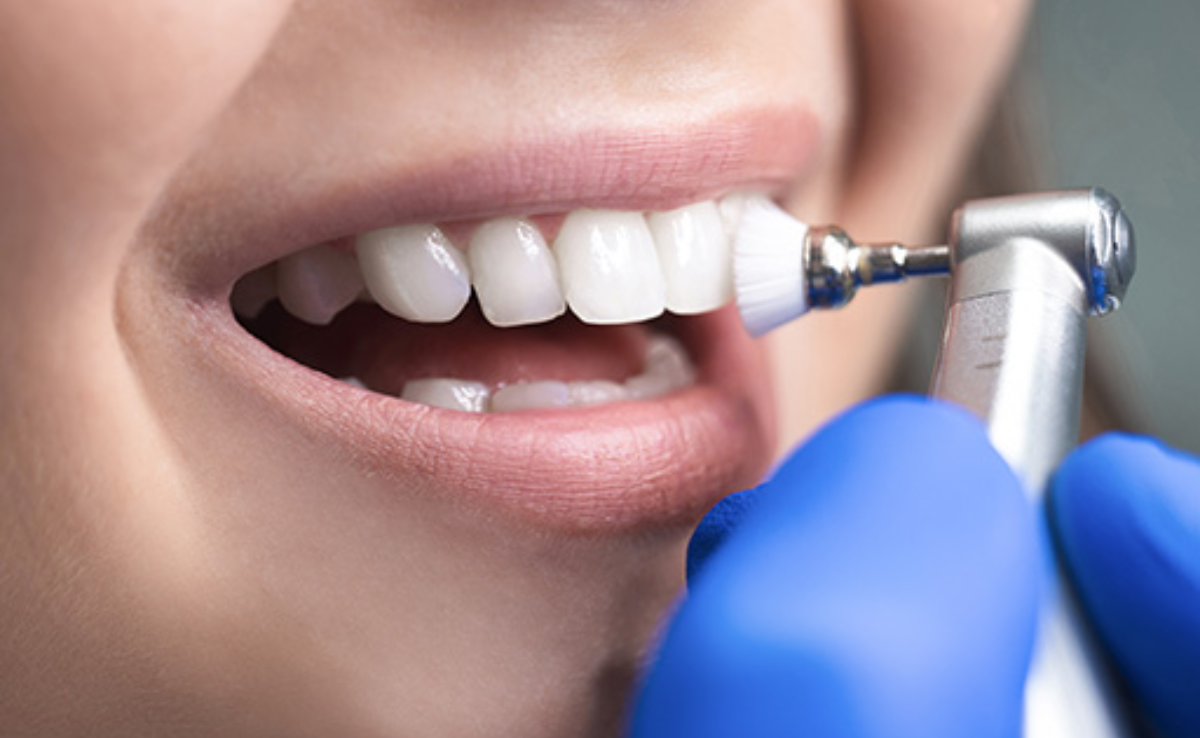
When natural methods reach their limit, professional dental cleaning often becomes the missing step. This doesn’t mean home care has failed. It simply means stains have built up to a level that everyday brushing and mild remedies can no longer remove safely.
Why Scaling and Polishing Make a Difference
Professional cleaning, commonly referred to as scaling and polishing, removes hardened plaque and surface stains that cling tightly to enamel. These deposits are often invisible at first but gradually dull the tooth surface, making teeth look yellow or uneven in colour.
By smoothing the enamel, polishing also makes it harder for new stains to attach. This creates a cleaner surface where natural maintenance methods, such as careful brushing and stain-aware habits, work more effectively afterwards.
How Professional Cleaning Supports Natural Whitening
Cleaning doesn’t change the natural colour of your teeth, but it removes the barriers that prevent them from looking their brightest. For coffee drinkers, this acts as a reset point. Once surface buildup is removed, natural whitening efforts become more noticeable and easier to maintain.
Should You Avoid Coffee if You Want White Teeth?

Avoiding coffee entirely is often suggested as the simplest way to keep teeth white, but that advice ignores how tooth staining actually works. Coffee contributes to staining, yes, but complete avoidance is not the only or even the most practical solution.
When Should You Cut Back On The Coffee?
If teeth are already heavily stained or the enamel is thin, reducing coffee frequency may help slow further discolouration. However, cutting coffee alone will not reverse existing stains. Once pigments have settled into enamel or dentin, they require targeted removal rather than avoidance.
For many people, managing coffee habits works better than eliminating them. Whitening is less about restriction and more about understanding how stains form and how enamel responds over time.