



If you are planning to get braces in Kota Kinabalu, one of the first questions you probably have is: “How long will I need to wear them?”
The simple answer is that braces treatment usually takes around 12 to 36 months, depending on your teeth condition, bite alignment, age, treatment type, and how well you follow your dentist’s instructions.
For some people with mild spacing or minor crowding, treatment may be shorter. For others with more complex bite problems, extractions, or jaw alignment concerns, braces can take longer.
At Unique Dental KK, we often remind patients that braces are not just about straightening teeth quickly. The goal is to move your teeth safely, improve your bite, and create a smile that is healthier, more comfortable, and more stable in the long run.
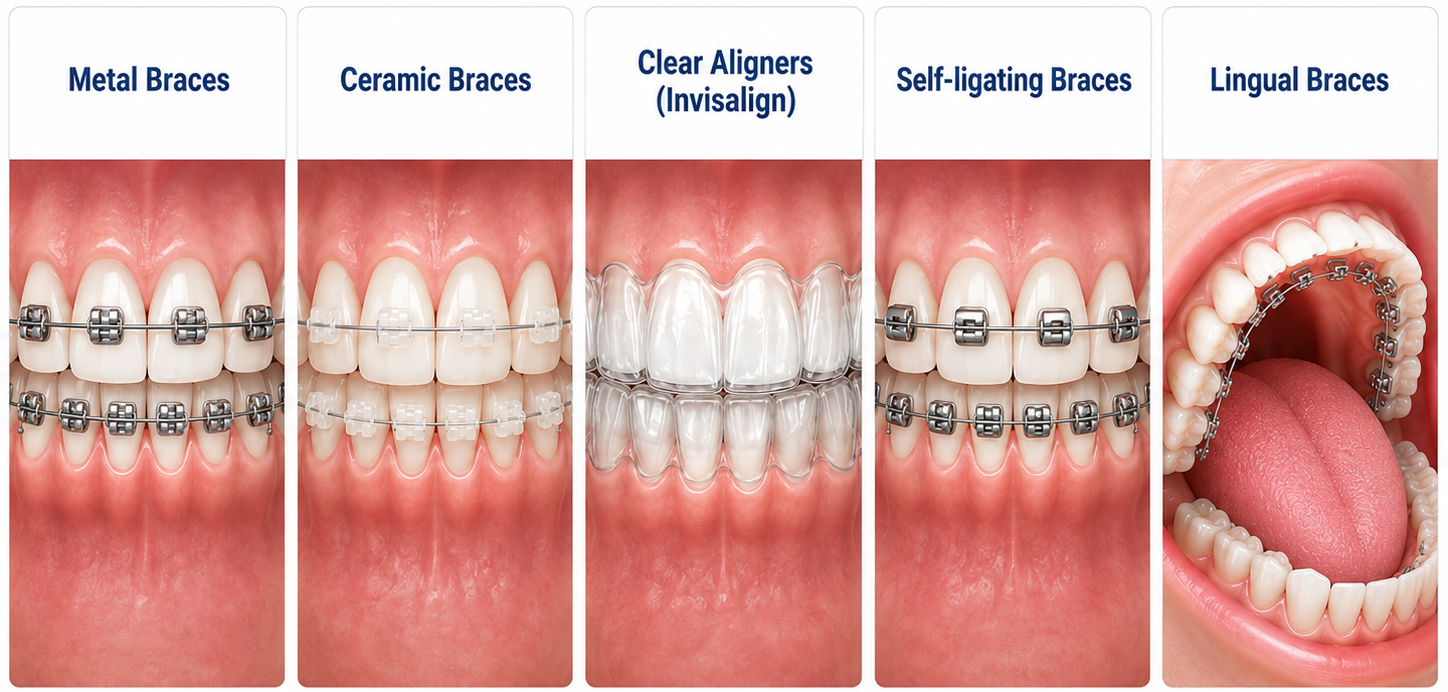
Braces Duration by Type — Comparison Table
Braces type | Duration | Best for | Speed |
Metal braces | 18–36 months | Mid to severe cases; all ages | Benchmark standard |
Ceramic braces | 18–36 months | Aesthetic preference; adults | Same speed as metal |
Clear aligners | 6–18 months | Mild to moderate cases; adults | Faster for mild–moderate only |
Self-ligating braces | 12–24 months | Mild to severe cases; fewer visits | Slightly faster; fewer adjustments |
What Actually Affects How Long Your Braces Take?
The five factors below determine where your timeline falls within the 12 to 36 month range.
1. Severity of Your Misalignment — The Biggest Factor
Mild spacing or crowding typically resolves in 12 to 18 months. Moderate misalignment, the most common presentation takes 18 to 24 months. Severe crowding, significant overbite, or underbite can take up 24 to 36 months or more, sometimes requiring tooth extractions before braces can begin.
No other factor has as much influence over your treatment duration as how much movement your teeth actually need to make.
2. Your Age
On average, adults take 3 to 6 months longer than teenagers for a comparable case. The reason is straightforward: in children and adolescents, the jawbone is still growing and teeth move more readily. In adults, bone density is higher and the same biological forces need longer to produce the same movement.
This does not mean adults cannot or should not get braces. It simply means the timeline is slightly longer, and expectations should be set accordingly. That said, age is not the only factor. Many adults complete braces successfully within a normal treatment timeline, especially when they attend appointments consistently and maintain good oral hygiene.
3. The Type of Braces You Choose
Metal braces and ceramic braces work at the same speed. Clear aligners can be faster for mild to moderate cases completing in as little as 6 to 18 months but they are not more effective than fixed braces for complex or severe cases. For severe misalignment, metal braces remain the most effective option regardless of the additional timeline.
For more on which type suits your situation, read our guide on types of braces in Kota Kinabalu.
4. Your Bite Condition
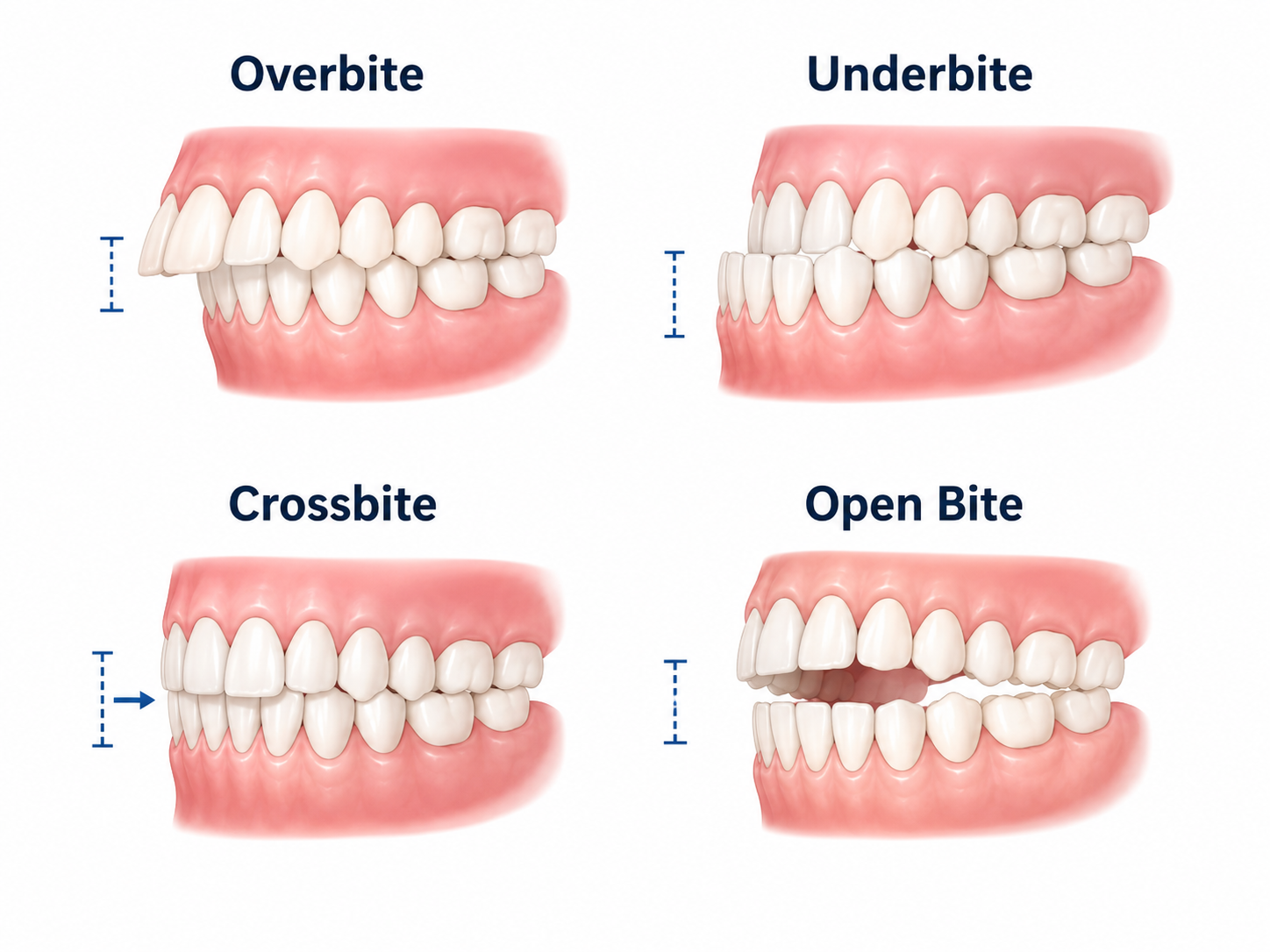
Braces are not only for straightening teeth. They can also help correct bite problems such as:
- Overbite
- Underbite
- Crossbite
- Open bite
- Deep bite
- Teeth that do not meet properly
Bite correction often takes longer than simple straightening because it involves improving how your upper and lower teeth fit together. A smile may look straight from the front, but if the bite is not stable, treatment may still need more time.
5. How Well You Follow Your Orthodontist’s Instructions
This is the factor you can most directly control. Compliance has two components:
- Wearing rubber bands (elastics) as prescribed, skipping even a few days can stall tooth movement and add weeks to your timeline
- Avoiding hard or sticky foods that can break brackets and delay progress
- For clear aligner patients: wearing trays for the prescribed 20 to 22 hours per day while removing them for more than 2 hours daily adds months
6. How Often You Attend Your Adjustment Appointments
Most braces patients need to visit the dentist every 4 to 8 weeks, depending on their treatment plan.
During these appointments, your dentist may:
- Tighten or adjust your braces
- Change your wires
- Replace elastic modules
- Check tooth movement
- Monitor your bite
- Give new instructions
- Check your oral hygiene
Skipping appointments can slow down your progress. Even if your braces feel fine, your teeth may not continue moving properly without regular adjustments.
Typical Timelines by Case Type
Condition | Typical duration | Clear aligner eligible? | Notes |
Mild spacing or crowding | 12–18 months | Yes | Most common in younger patients |
Moderate misalignment | 18–24 months | Usually | Most adults fall here |
Severe crowding, overbite, underbite | 24–36+ months | Rarely | May require extractions first |
Mild Spacing or Crowding: 12–18 months
Mild cases, small gaps between teeth, minor crowding, or slight rotation of one or two teeth are the fastest to treat. Clear aligners are typically eligible and often preferred by adult patients. This is the scenario most likely to fall at the shorter end of the overall range.
Moderate Misalignment: 18–24 months
The most common presentation in Malaysian patients. Moderate crowding, mild to moderate overbite, or moderate gaps between teeth usually resolve within 18 to 24 months with fixed braces or clear aligners. You can also compare clear aligners vs braces to understand which option may suit your lifestyle and dental condition better.
Severe Crowding, Overbite, or Underbite: 24–36+ months
Significant misalignment overlapping teeth, large overbites, underbites, or cases requiring tooth extraction first can require 2 to 3 years or more. These cases are almost always best treated with fixed metal braces, and patients should be prepared for a longer journey before treatment begins.
How To Make Braces Work Faster?
The best way to help your braces finish on time is to follow your treatment plan closely. This includes attending your appointments, keeping your braces clean, avoiding foods that break brackets, and wearing any elastics as instructed.
However, it is important to understand that braces should not be rushed. Fast treatment is not always better if it affects the health or stability of your teeth.
A properly planned braces treatment focuses on three things:
- Straight teeth
- A comfortable bite
- Long-term stability
Finishing too early without achieving these goals may increase the chance of relapse, where teeth move back after treatment.
What Happens After Braces Are Removed?
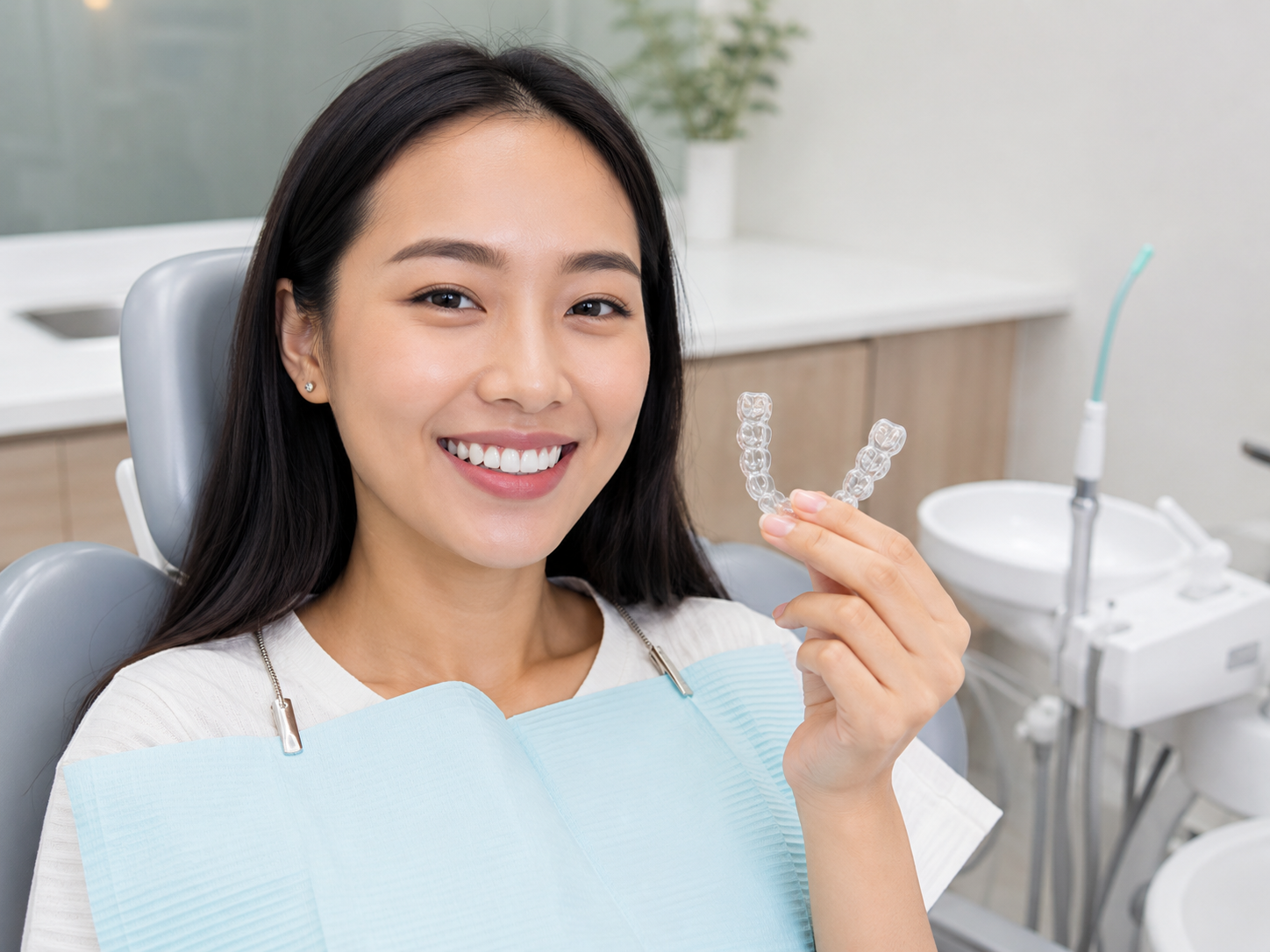 Once your braces are removed, your teeth still need support to stay in their new position. This is where retainers come in. A retainer helps prevent your teeth from shifting back. You may be given a removable retainer, fixed retainer, or both, depending on your case.
Many patients think treatment ends when braces come off, but the retainer stage is just as important. Without retainers, teeth can slowly move again over time. Your dentist will guide you on how often to wear your retainer and how to take care of it.