

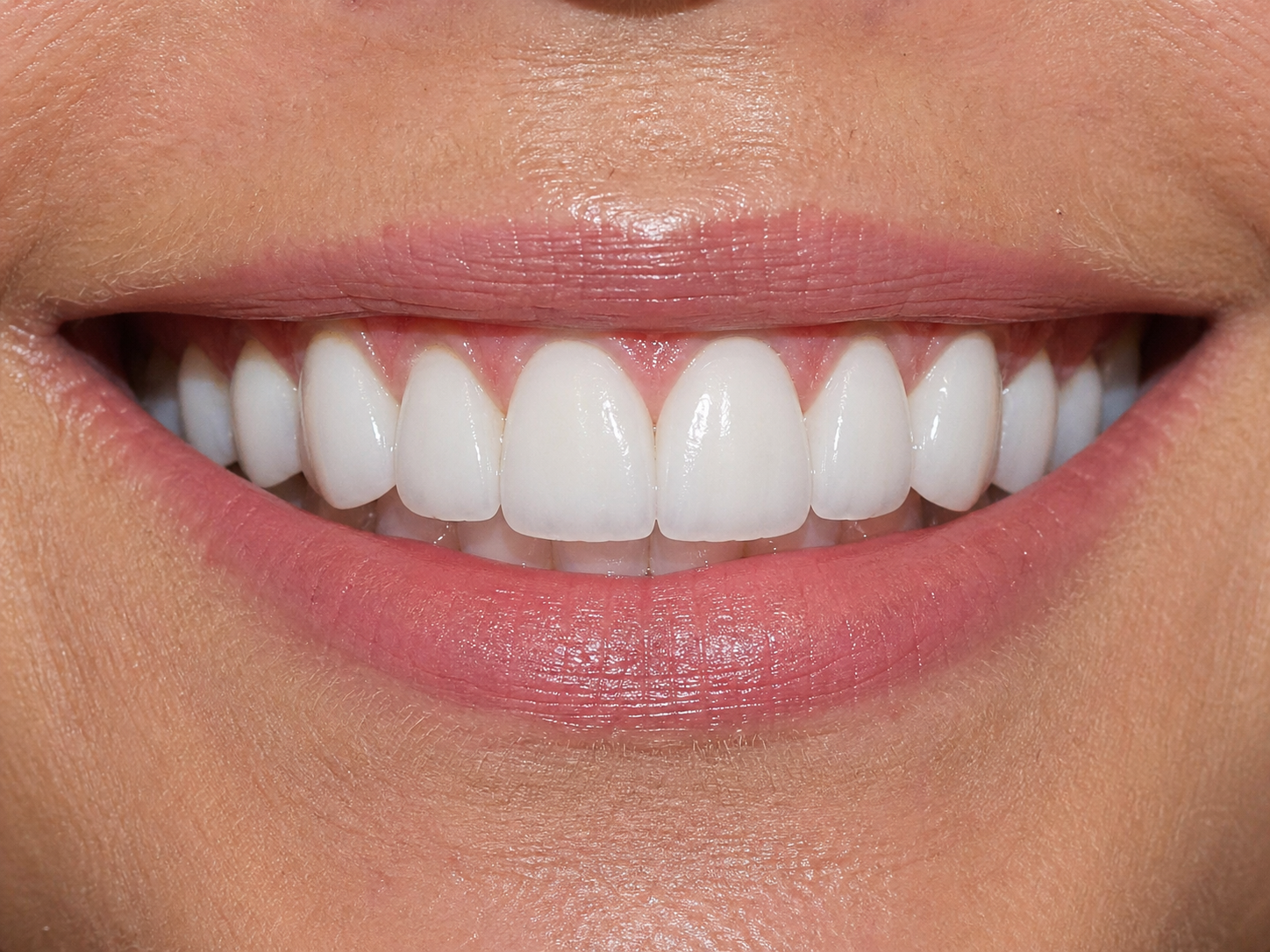
Have you been dreaming of a straighter, whiter, more even smile but without the lengthy wait or steep price tag of porcelain veneers? Composite veneers might be exactly what you’ve been looking for.
What Are Composite Veneers?
Composite veneers are thin shells of tooth-coloured composite resin that are bonded directly onto the front surface of your teeth. They are applied directly to the tooth in layers, shaped, polished, and cured with a special light all in one visit. The result is a natural-looking, customised smile enhancement that can address a wide range of cosmetic concerns.
Dentists commonly use them to fix:
- Chipped or cracked teeth
- Gaps between teeth
- Discoloration that whitening can’t fix
- Slightly uneven or misaligned teeth
How to Do Composite Veneers?
One of the biggest advantages of composite veneers is that the procedure is straightforward, minimally invasive, and usually completed in a single appointment.
Step 1: Consultation & Smile Planning

Your journey begins with a thorough consultation. During this visit, your dentist will examine the condition of your teeth and gums, discuss your smile goals and desired outcome, take photographs and, where necessary, dental X-rays, and advise whether composite veneers are the most suitable option for you. This is also the time to discuss shade selection and choosing a colour that matches your natural teeth.
Step 2: Tooth Preparation
Composite veneers typically require very little to no removal of natural tooth enamel. In most cases, the dentist will simply clean and lightly etch the tooth surface to help the resin bond properly. A bonding agent is then applied to ensure the composite material adheres securely.
Step 3: Layering & Sculpting the Composite Resin
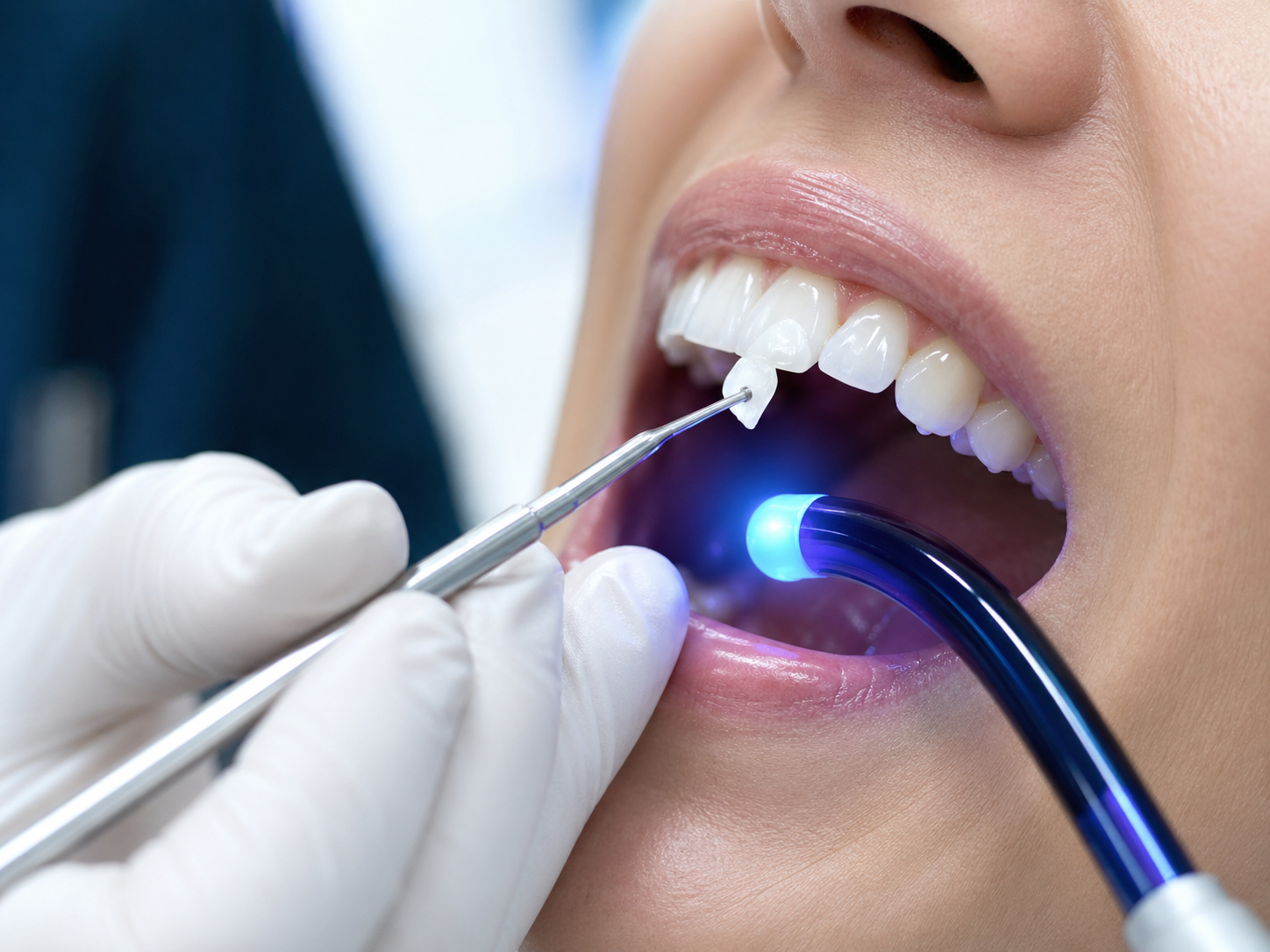
Your dentist will apply the composite resin in thin, controlled layers, carefully sculpting each layer to achieve the desired shape, length, and contour. Each layer is hardened using a special UV or blue-spectrum curing light before the next layer is added. This layering technique allows your dentist to build up a natural-looking result with depth and translucency that closely mimics real tooth enamel.
Step 4: Shaping & Polishing
Once the composite has been built up to the right form, your dentist will refine the shape using fine finishing burs and polishing discs. The final polish gives the veneers a smooth, lifelike sheen and often virtually indistinguishable from natural teeth.
Step 5: Final Check & Bite Adjustment
Your dentist will check your bite to make sure everything aligns comfortably. Any minor adjustments are made at this stage. The whole procedure typically takes between one and two hours, depending on how many teeth are being treated.
How Long Does Composite Veneers Last?
Generally composite veneers last between 5 and 8 years with proper care. Some patients enjoy theirs for up to 10 years, while others may need touch-ups sooner.
Factors That Affect Composite Veneer Longevity
Oral Hygiene Habits
Regular brushing and flossing keep the surrounding gum tissue healthy and extend the life of your veneers.
Diet and Lifestyle
Regularly consuming staining foods and beverages such as coffee, tea, red wine, curry) or using tobacco can shorten their lifespan.
Parafunctional Habits
Grinding your teeth (bruxism) or biting your nails can chip or fracture composite veneers.
Quality of The Material
Higher-grade composites used by experienced dentists tend to perform better over time.
Dentist Skill
The application technique matters enormously. Proper layering, bonding, and polishing all influence how long your veneers last.
How to Make Your Composite Veneers Last Longer?
It is advised to brush twice daily with non-abrasive toothpaste, floss daily to keep gum margins clean, avoid biting hard foods such as ice, hard sweets, or nuts directly with your veneered teeth, wear a night guard if you grind your teeth and attend regular check-ups and professional cleans every 6 months.
Can Composite Veneers Be Removed?
Yes, composite veneers can be removed. They are generally considered partially reversible, typically requiring little to no enamel reduction. Your dentist can carefully polish off the composite material using specialised dental instruments, leaving your natural teeth largely intact underneath. However if any enamel was altered, your natural tooth may not return to its exact original state and replacement or maintenance may still be needed over time
When Might You Need to Have Composite Veneers Removed?
- To replace ageing or worn veneers with fresh composite or upgrade to porcelain
- If there is discolouration or staining that cannot be polished away
- To address underlying dental issues such as decay that may have developed beneath the veneer
- If you simply prefer to return to your natural smile
Can Composite Veneers Be Whitened?
Composite veneers cannot be whitened with traditional teeth whitening treatments. The composite resin material does not respond to bleaching agents the same way natural teeth do. Therefore, if you undergo teeth whitening after getting composite veneers, your natural teeth may lighten while the veneers remain the same colour which potentially creates a mismatch that is difficult to correct without replacing the veneers.
What Should You Do Instead?
Whiten Your Teeth First
If you’re considering both whitening and composite veneers, always complete your whitening treatment first. Allow 2 to 4 weeks for the colour to stabilise, then have your veneers shade-matched to your newly whitened teeth.
Polish The Veneers
Professional polishing by your dentist can help restore surface lustre and remove superficial staining from composite veneers.
Ask About Replacement
If your veneers have noticeably darkened with time and polishing is not enough, replacing them with a lighter shade is a straightforward solution.
Do Composite Veneers Damage Teeth?
When performed by a qualified and experienced dentist, composite veneers do not damage your teeth. In fact, they are often considered one of the least invasive cosmetic treatments.
Minimal Tooth Reduction
Unlike crowns or porcelain veneers, composite veneers usually require little to no removal of your natural tooth structure. The tooth surface is simply cleaned and lightly etched to improve bonding, a process that is minimal and far less invasive than many other cosmetic treatments.
The Bonding Process Is Safe
The composite resin used is the same material as white dental fillings, which has a long, well-established safety record in dentistry. The bonding agents used are also non-toxic and biocompatible.
Potential Concerns to Be Aware Of
Poorly Fitted Veneers
If a veneer does not fit properly or leaves rough margins, it can harbour plaque and increase the risk of gum irritation or decay at the margins which is why choosing an experienced dentist matters.
Tooth Sensitivity
Some patients experience mild sensitivity after placement, particularly if any enamel was etched. This typically settles within a few days.
Grinding
If you grind your teeth and don’t wear a protective night guard, the force placed on veneers can fracture them and over time it can contribute to tooth wear.