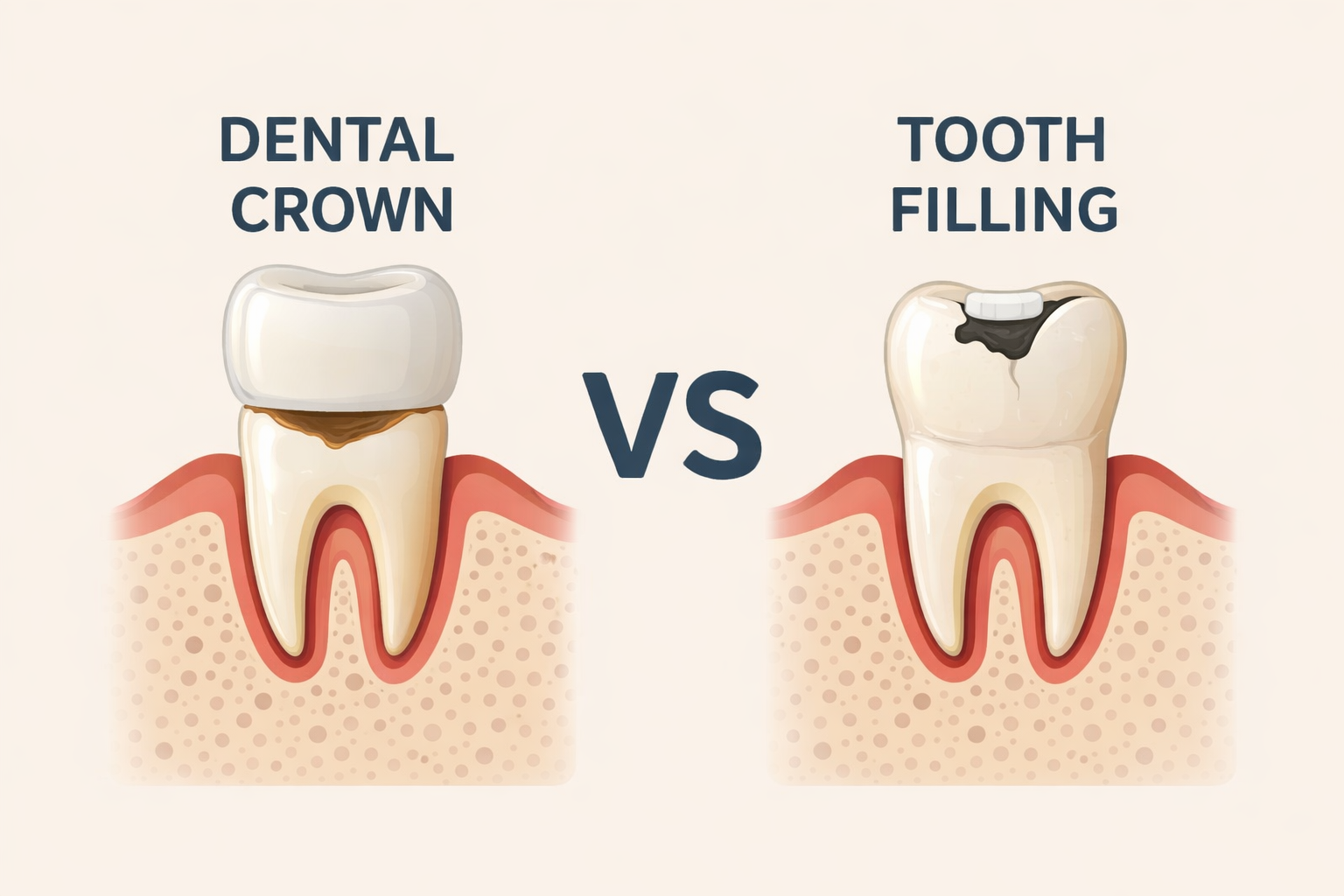
If a tooth has minor decay, a dental filling is usually enough to repair it, but when the tooth structure is significantly weakened or cracked, dentists typically recommend a dental crown to fully protect and restore it. In many cases, patients considering dental crown treatment in Kota Kinabalu are dealing with teeth that are too damaged for a simple filling to hold up long term.
At first glance, both treatments seem to do the same thing: fix a damaged tooth. But the way they restore and protect your tooth is actually very different. A filling repairs a specific area where decay has been removed, while a crown acts like a protective cap that covers the entire tooth.
The Short Answer: When Dentists Choose a Crown vs Filling
Dentists typically choose a filling when the tooth still has most of its natural structure intact, but recommend a crown when the remaining tooth has become too weak to handle everyday chewing pressure.
When a Filling Is Enough to Repair a Damaged Tooth
A dental filling is usually the first line of treatment for small to moderate cavities. After the decayed portion of the tooth is removed, the dentist fills the cleaned area with a restorative material that seals the space and prevents bacteria from re-entering. The goal is simple: stop the decay and restore the shape of the tooth so it can function normally again.
When a Dental Crown Treatment Becomes Necessary
A crown is usually recommended when the tooth has lost a significant amount of structure and can no longer safely support a filling. Instead of repairing only one section of the tooth, a crown covers the entire visible portion above the gum line, reinforcing the tooth like a protective helmet.
Understanding How Teeth Get Damaged in the First Place
Before deciding between a crown and a filling, dentists first look at why the tooth needs repair in the first place. Teeth rarely go from perfectly healthy to needing a crown overnight. Most damage develops gradually, often starting with small issues that become bigger problems if left untreated.
Tooth Decay and Cavities
The most common reason people need restorative dental treatment is tooth decay. Cavities form when bacteria in dental plaque produce acids that slowly dissolve the enamel, which is the outer protective layer of the tooth. According to the World Health Organization, untreated dental decay remains one of the most widespread health conditions globally.
Cracks, Fractures, and Worn Enamel
Not all damaged teeth come from cavities. Teeth can also weaken due to physical stress over time. Grinding, clenching, biting hard foods, or even previous dental work can gradually cause cracks in the enamel.
How Dentists Decide How to Repair Teeth
When a dentist examines a damaged tooth, they evaluate three key factors: how much healthy tooth structure remains, how deep the damage extends, and how much pressure that tooth normally handles during chewing.
What Happens During a Dental Filling Treatment
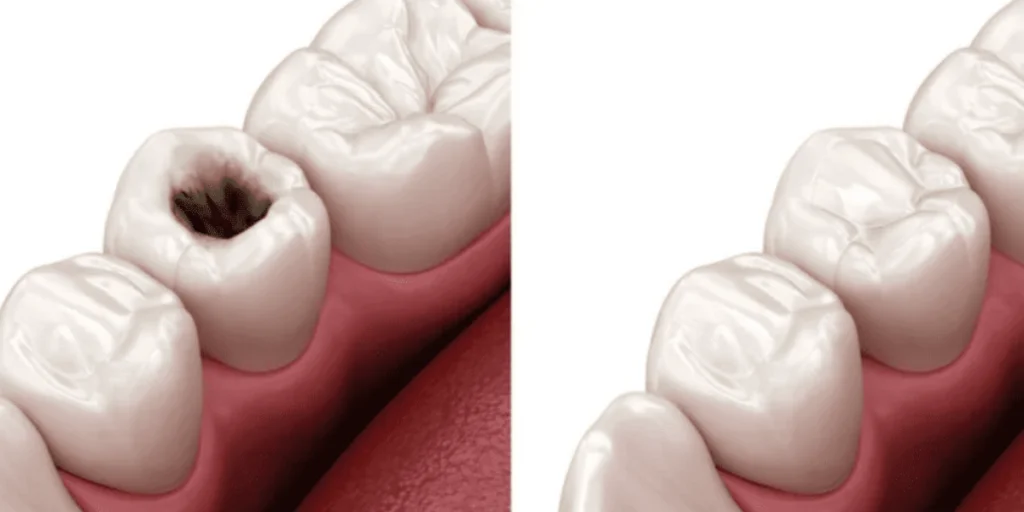
When a dentist places a filling, the goal is to remove decay and restore the damaged area so the tooth can function normally again. This treatment is one of the most common ways dentists repair cavities because it preserves most of the natural tooth structure.
Materials Used for Dental Fillings
Modern fillings are typically made from composite resin, a tooth-coloured material designed to blend naturally with surrounding enamel. Unlike older metal amalgam fillings, composite materials bond directly to the tooth surface, which helps strengthen the repaired area while maintaining a natural appearance.
When Dentists Recommend Fillings
Dentists usually recommend fillings when decay has affected a limited portion of the tooth. Early treatment allows the dentist to remove the infected tissue and seal the tooth before the damage spreads deeper.
Fillings are often suitable for cavities detected during routine dental check-ups or when patients experience early symptoms such as mild sensitivity to sweet foods or cold drinks. When treated at this stage, the procedure is typically quick and minimally invasive.
Pain and Sensitivity in Tooth After Filling: What’s Normal?
It’s fairly common for patients to experience temporary pain or sensitivity in a tooth after a filling, especially during the first few days. This usually happens because the inner layers of the tooth have been disturbed during the removal of decay, making the nerves slightly more reactive to temperature changes.
What Happens During a Dental Crown Treatment
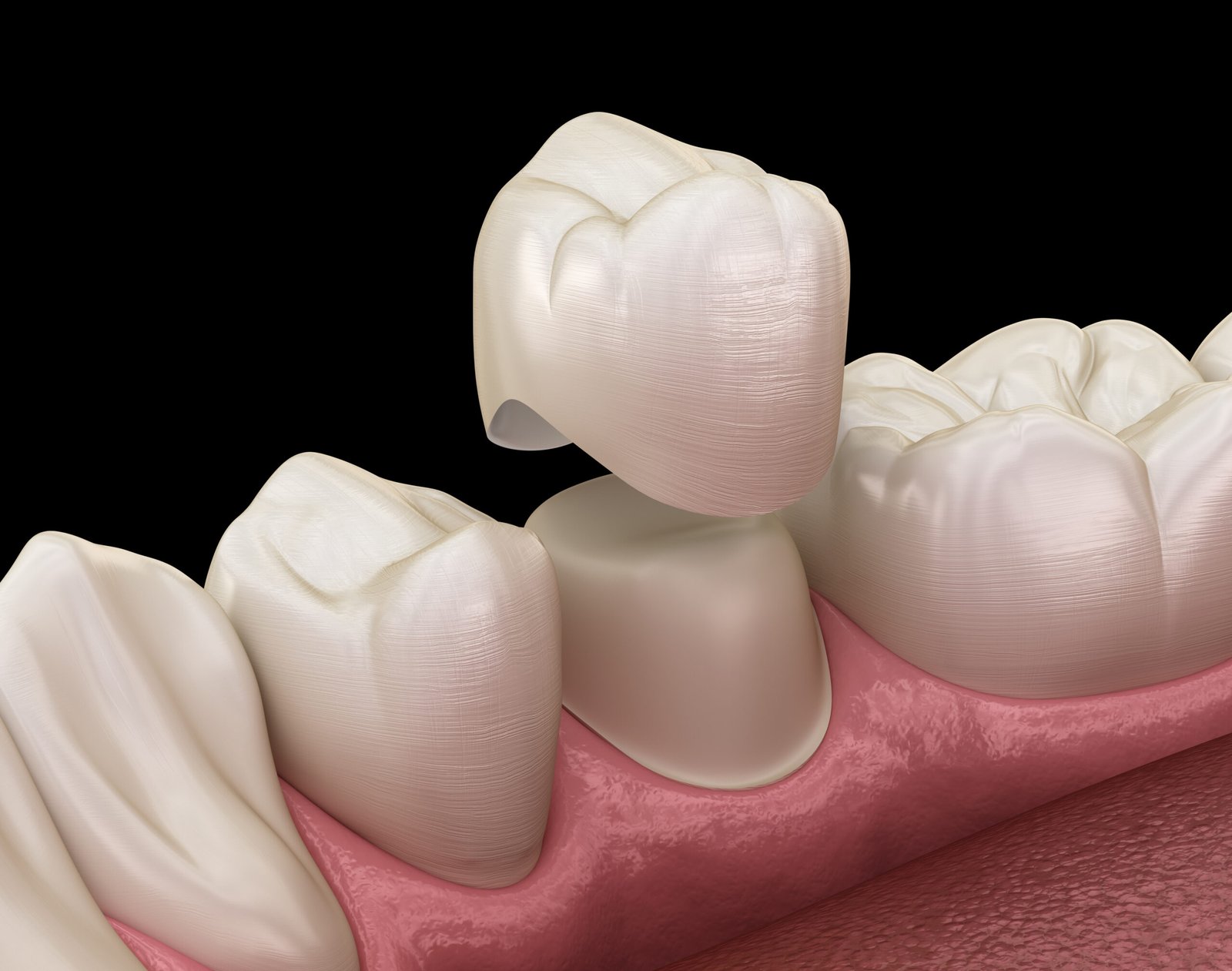
When a tooth becomes too weak for a filling to support, dentists often recommend a crown to restore its strength and protect what remains of the natural structure. Unlike a filling, which repairs only one damaged area, a crown covers the entire visible part of the tooth above the gum line.
How Crown Teeth Treatment Protects Damaged Teeth
A crown works like a protective shell placed over the existing tooth. During the procedure, the dentist reshapes the outer surface of the damaged tooth to create space for the crown to fit securely. An impression of the prepared tooth is then taken so a custom crown can be fabricated to match the patient’s bite and surrounding teeth.
Types of Dental Crown Materials
Dental crowns can be made from several materials, each designed to balance durability and aesthetics. Porcelain crowns are popular for their natural appearance and are commonly used on front teeth where cosmetic results matter most.
Ceramic and zirconia crowns are also widely used because they combine strength with a natural tooth-like colour. These materials can withstand heavy chewing forces, making them suitable for molars at the back of the mouth.
When a Crown Is the Better Long-Term Solution
Dentists usually recommend a crown when the tooth has lost too much structure for a filling to remain stable. This often happens in cases of large cavities, fractured teeth, or teeth that already contain multiple old fillings.
Crowns are also commonly used after root canal treatment, when the inner pulp of the tooth has been treated and the remaining structure needs reinforcement. Without a crown, the weakened tooth may eventually crack under chewing pressure.
Which Option Lasts Longer? Crowns vs Fillings
One of the biggest questions patients ask when comparing crowns and fillings is how long each treatment will last. While both are effective ways to repair teeth, their lifespan can differ depending on the size of the damage, the location of the tooth, and how well the restoration is maintained
Average Lifespan of Dental Fillings
Dental fillings are designed to repair cavities while preserving as much natural tooth structure as possible. In most cases, modern composite fillings can last between five to ten years. Some may last even longer if the cavity is small and the patient maintains good oral hygiene.
However, fillings are exposed to daily chewing forces, temperature changes from food and drinks, and natural wear over time. Because they only repair a portion of the tooth, the surrounding enamel continues to absorb much of the pressure from biting.
Average Lifespan of Dental Crowns
Dental crowns are typically designed to last longer than fillings because they protect the entire tooth rather than just one section. A well-maintained crown can last ten to fifteen years or more, depending on the material used and the patient’s oral habits.
Materials such as zirconia and porcelain are commonly chosen for their durability and resistance to wear. Since crowns distribute chewing pressure across the whole tooth, they reduce the risk of cracks that might occur in teeth restored with large fillings.
Why Some Fillings Eventually Need Crowns
In many cases, crowns are recommended after a tooth has already had several fillings over the years. Each time a cavity is repaired, a small portion of the tooth structure is removed. Eventually, the remaining enamel may become too thin to support another filling safely.
When a tooth reaches that stage, placing a crown can help reinforce it and prevent sudden fractures during chewing. Rather than repeatedly repairing small areas, the crown stabilises the entire tooth and restores its full function.