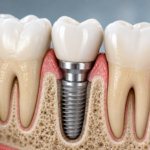




Tooth pain can be confusing, sometimes it is a small cavity, sometimes it is gum sensitivity. However, in some cases, tooth pain may be a sign that the inside of your tooth is infected or badly damaged.
When the soft tissue inside your tooth, called the pulp, becomes infected or inflamed, your dentist may recommend root canal treatment to save the natural tooth. A root canal removes the infected tissue, cleans the inside of the tooth, and seals it to prevent the infection from spreading.
If you are wondering whether your toothache might need a root canal treatment, here are the common warning signs to look out for.
How Do Dentists Confirm If You Need a Root Canal?
A dentist does not diagnose a root canal need from symptoms alone. The confirmation process typically involves:
- Dental X-ray: reveals infection at the root tip, bone loss, or deep decay reaching the pulp chamber
- Percussion test: tapping the tooth to assess pain response and ligament inflammation
- Cold / heat test: applying a cold or heated stimulus to assess the nerve’s response; a prolonged or absent response indicates irreversible pulp damage
- Visual examination: cracks, darkening, cavities, and gum condition around the tooth
The symptoms below are indicators that warrant this examination as they do not constitute a diagnosis. Only a clinical assessment with X-ray can confirm whether root canal treatment is required.
The 7 Signs That You May Need Root Canal Treatment
1. Persistent Tooth Pain That Does Not Go Away
One of the clearest signs you may need a root canal is tooth pain that keeps coming back or does not go away.
This pain may feel:
- Deep inside the tooth
- Throbbing or pulsing
- Sharp when biting
- Worse at night
- Spreading to the jaw, ear, or nearby teeth
Not every toothache means you need a root canal. However, if the pain is persistent, severe, or keeps returning even after taking painkillers, it is best to see a dentist as soon as possible. Pain that comes from inside the tooth may mean the pulp is inflamed or infected. Waiting too long can allow the infection to spread and make treatment more complicated.
2. Lingering Sensitivity to Hot or Cold Drinks
Many people experience mild tooth sensitivity from time to time. For example, you may feel a quick sharp sensation when drinking iced water or hot coffee but sensitivity becomes more concerning when it lingers.
You may need a root canal if your tooth stays painful for several seconds or minutes after drinking something hot or cold. This type of sensitivity may mean the nerves inside the tooth are damaged or inflamed. For example, if you drink cold water and the pain disappears immediately, it may be normal sensitivity but if the pain stays, throbs, or feels deep inside the tooth, it may be a sign of pulp infection.
3. Pain When Biting or Chewing
If one tooth hurts every time you bite down, chew, or apply pressure, it could be a sign of a deeper dental problem.
Pain when biting may happen because of:
- Infection around the tooth root
- A cracked tooth
- Deep decay
- Inflammation inside the tooth
- An abscess forming near the root
This type of pain is often easy to notice during meals. You may find yourself chewing only on one side of your mouth to avoid discomfort. If biting pain continues for more than a few days, do not ignore it. A dentist can check whether the tooth needs a filling, crown, root canal, or another treatment.
4. Swollen or Tender Gums Around One Tooth
Swollen gums are often linked to gum disease but swelling around one specific tooth may also be a sign of infection inside or around the tooth root.
You may notice:
- Swelling near the painful tooth
- Tenderness when touching the gum
- Redness around one area
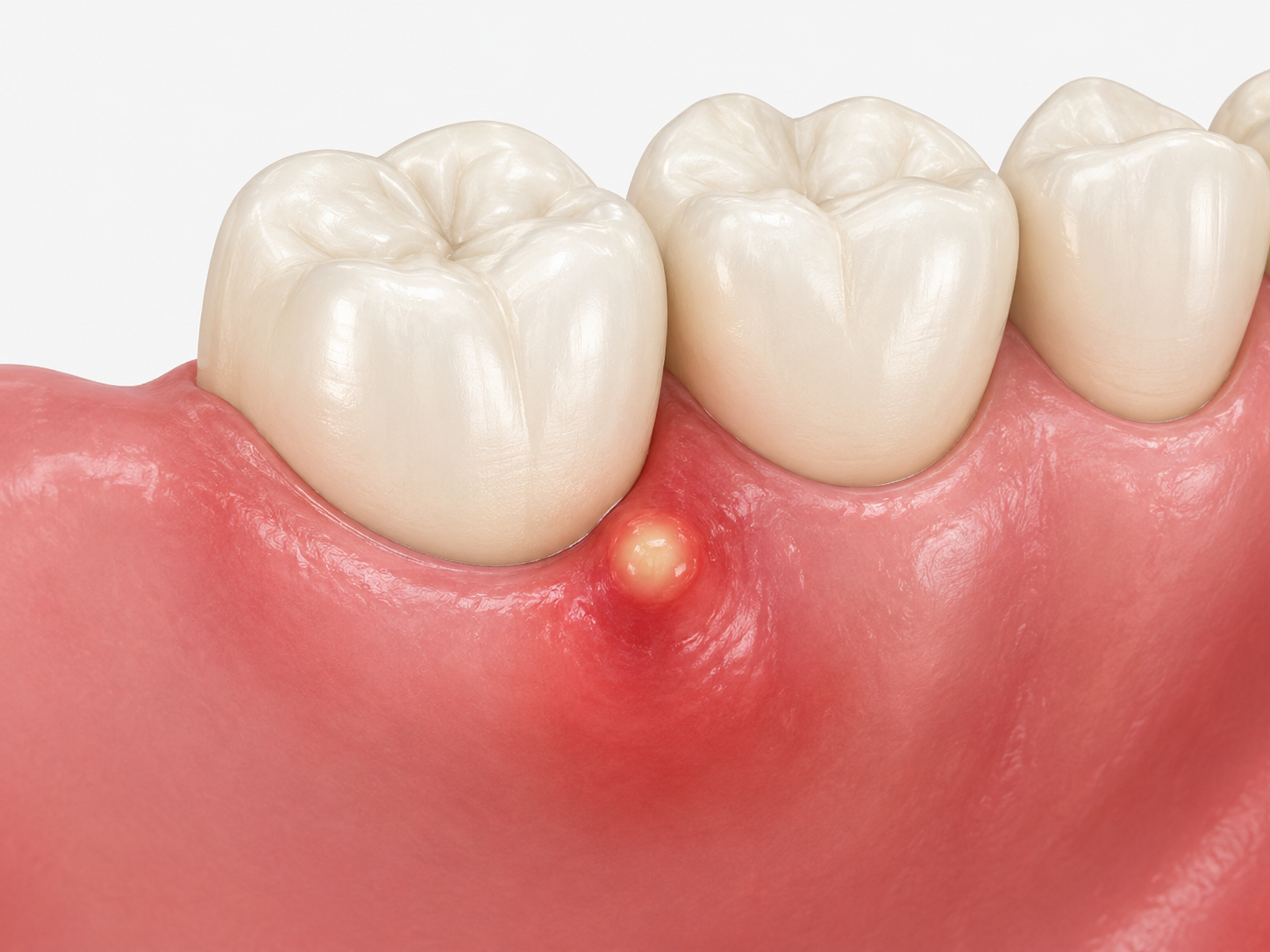
- A small bump on the gum
- Pus or discharge
- Bad taste in the mouth
This can happen when infection spreads from the inside of the tooth to the surrounding gum and bone. Swelling should always be taken seriously especially if it is painful or keeps returning. In some cases, the tooth may need root canal treatment to remove the source of infection.
5. A Pimple-Like Bump on the Gum
A small pimple-like bump on the gum near a painful tooth can be a sign of a dental abscess. This bump may come and go. Sometimes it releases pus, causing a bad taste or smell in your mouth. Even if the bump disappears temporarily, the infection may still be present inside the tooth or around the root.
Many patients make the mistake of thinking the problem is solved once the swelling reduces. But if the source of infection is still inside the tooth, the abscess can return. A dental abscess needs professional treatment. Depending on the condition of the tooth, your dentist may recommend root canal treatment or, in more severe cases, tooth extraction.
6. Tooth Discolouration or a Tooth Turning Dark
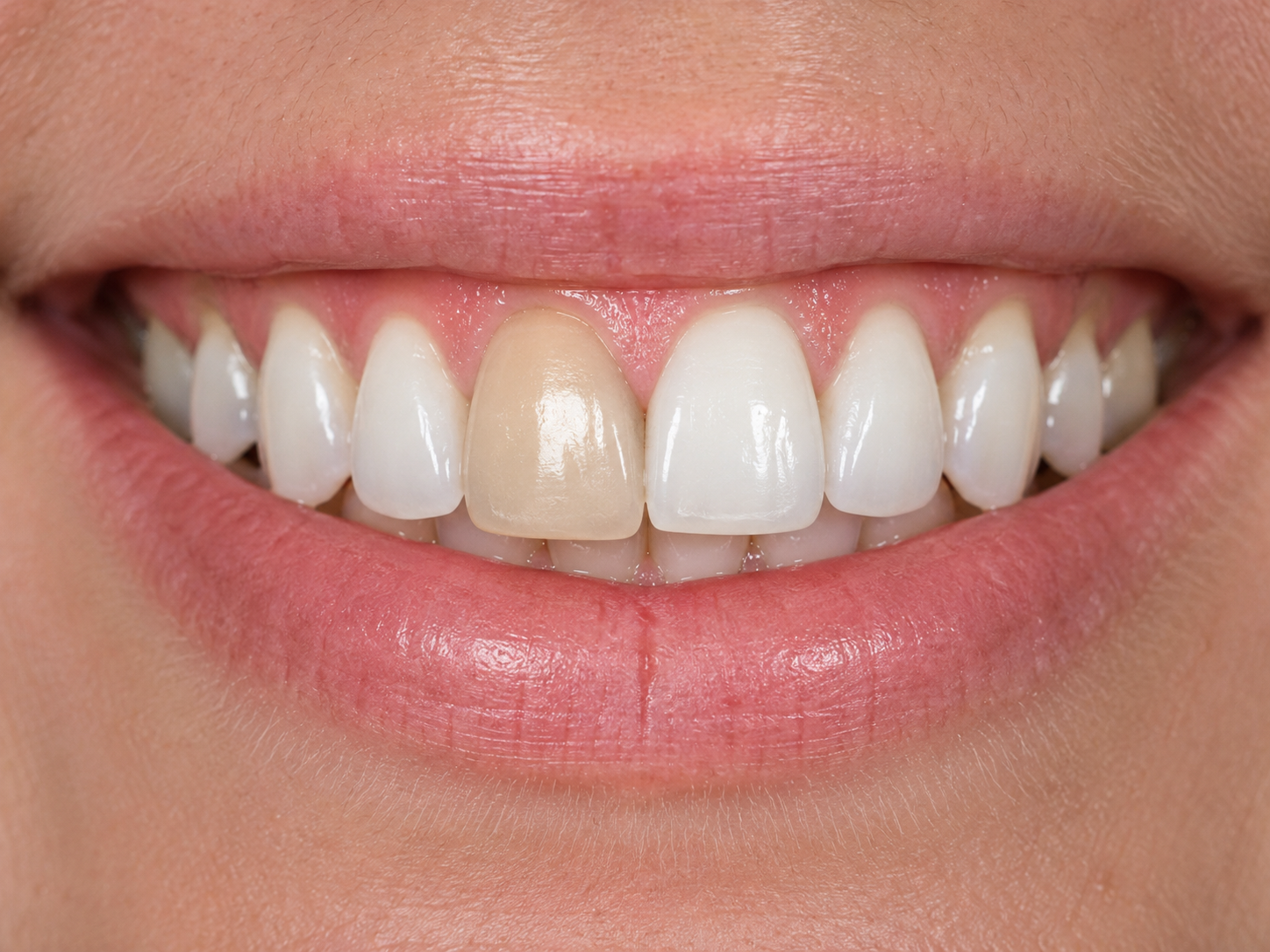
A tooth that turns grey, brown, or darker than the surrounding teeth may be a warning sign that the nerve inside the tooth has been damaged.
This can happen after:
- Dental trauma
- A fall or accident
- A strong knock to the tooth
- Deep decay
- Long-term infection inside the tooth
Tooth discolouration does not always mean you need a root canal but it should be checked. If the tooth pulp is no longer healthy, root canal treatment may be needed before restoring the tooth’s appearance. This is common especially when a front tooth has been injured in the past. Even if the injury happened months or years ago, symptoms can appear later.
7. A Cracked, Chipped, or Deeply Decayed Tooth
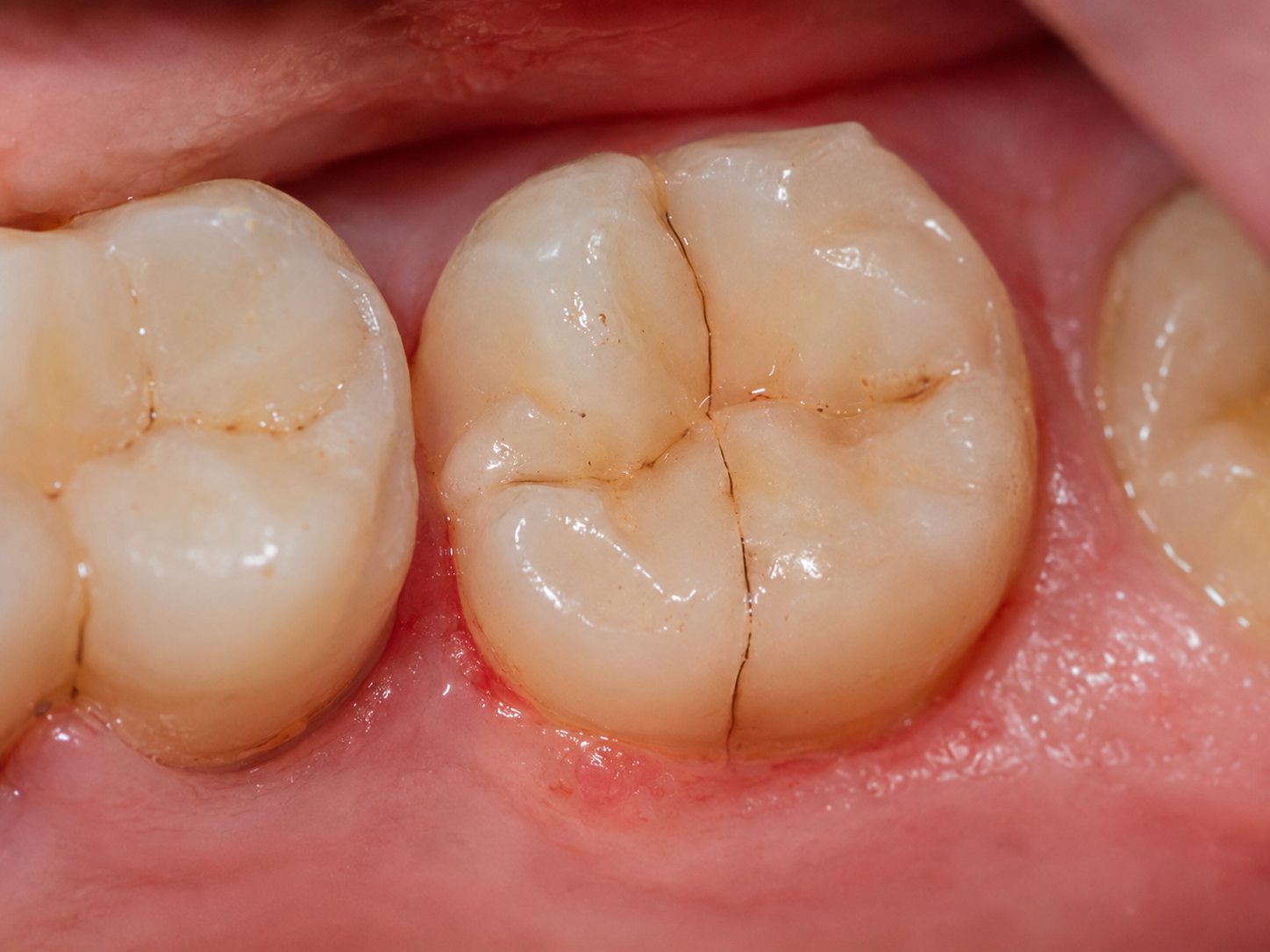
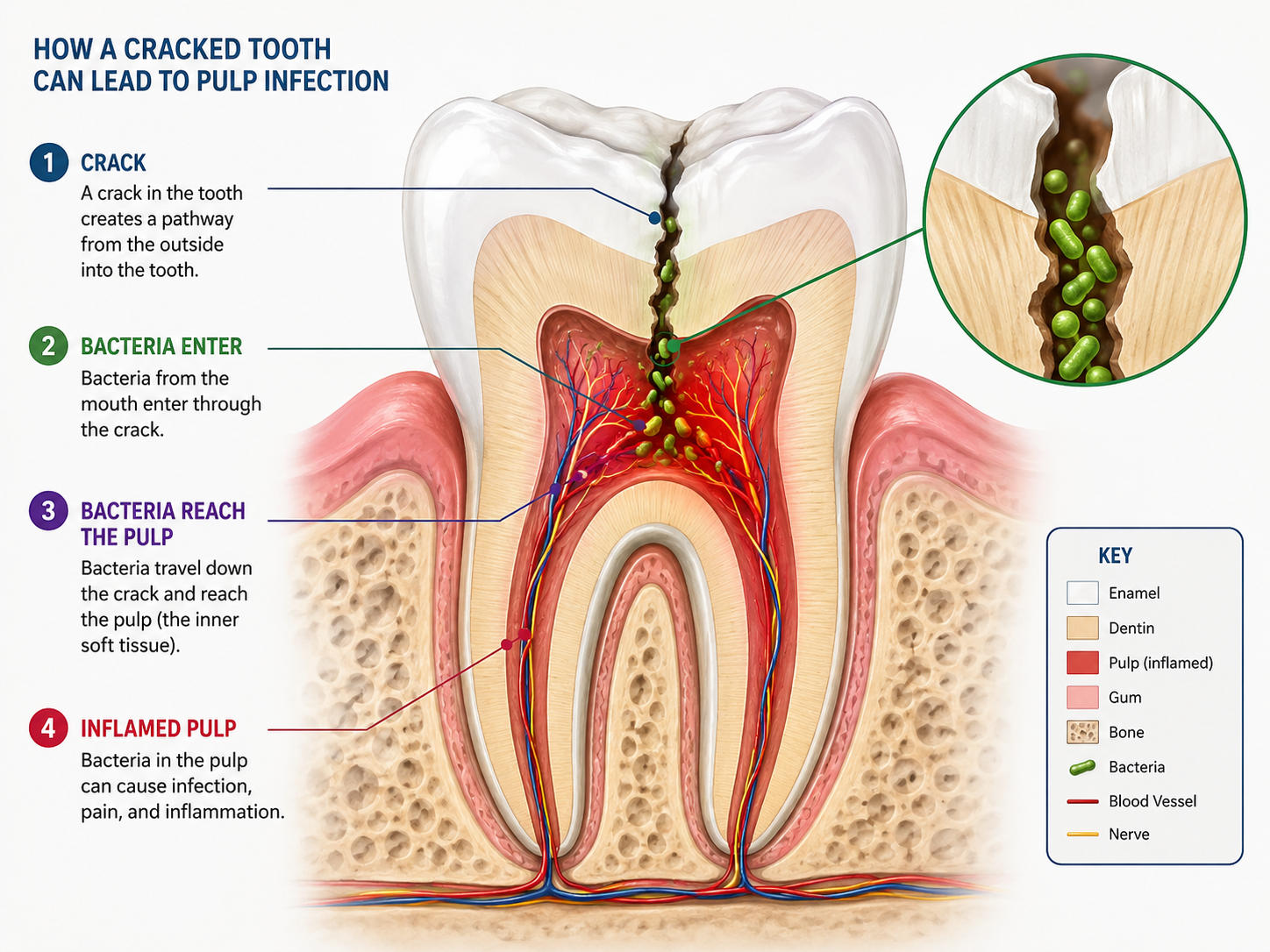
A cracked or chipped tooth can allow bacteria to enter the inner layers of the tooth. If the damage reaches the pulp, infection can develop.
You may be at higher risk of needing a root canal if you have:
- A deep cavity
- A broken tooth
- A cracked tooth
- A large old filling
- Repeated dental treatment on the same tooth
- Pain after dental trauma
Sometimes, a cracked tooth is not easy to see. You may only feel pain when chewing, or sensitivity when drinking cold water. If you suspect a tooth is cracked or badly decayed, visit a dentist early. Treating the problem sooner with a tooth filling may be enough to repair the tooth before it reaches the nerve.
When Should You See a Dentist?
You should book a dental check-up if you have tooth pain that lasts more than a few days, sensitivity that lingers, swelling, biting pain, or a gum bump near a tooth.
You should seek urgent dental care if you have:
- Facial swelling
- Fever
- Severe toothache
- Swelling that spreads to the jaw or neck
- Difficulty opening your mouth
- Difficulty swallowing or breathing
These symptoms may mean the infection is spreading and should not be ignored.
What Happens If You Ignore an Infected Tooth?
A dental pulp infection cannot heal on its own. Unlike a skin cut, infected dental pulp has no functional blood supply to mount an immune response once the nerve tissue is damaged. Without treatment:
- The infection spreads from the pulp to the root tip, into the surrounding bone (dental abscess), and potentially into soft tissue spaces in the jaw and neck
- The abscess enlarges causing facial swelling, fever, and severe pain
- The tooth becomes unsalvageable and requiring extraction rather than the less invasive root canal option
- Treatment becomes more complex and costly and a root canal on a contained infection is significantly simpler than treating an abscess that has spread