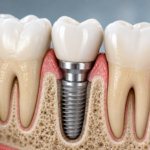


Missing teeth can affect your smile, chewing ability, speech, and overall confidence. If left untreated, the surrounding teeth may also shift over time, which can affect your bite and oral health.
For many patients, a dental implant is one of the most stable and natural-looking ways to replace a missing tooth. Unlike removable dentures, dental implants are placed into the jawbone to act like artificial tooth roots, supporting a crown, bridge, or denture.
What Does the Dental Implant Process Involve?
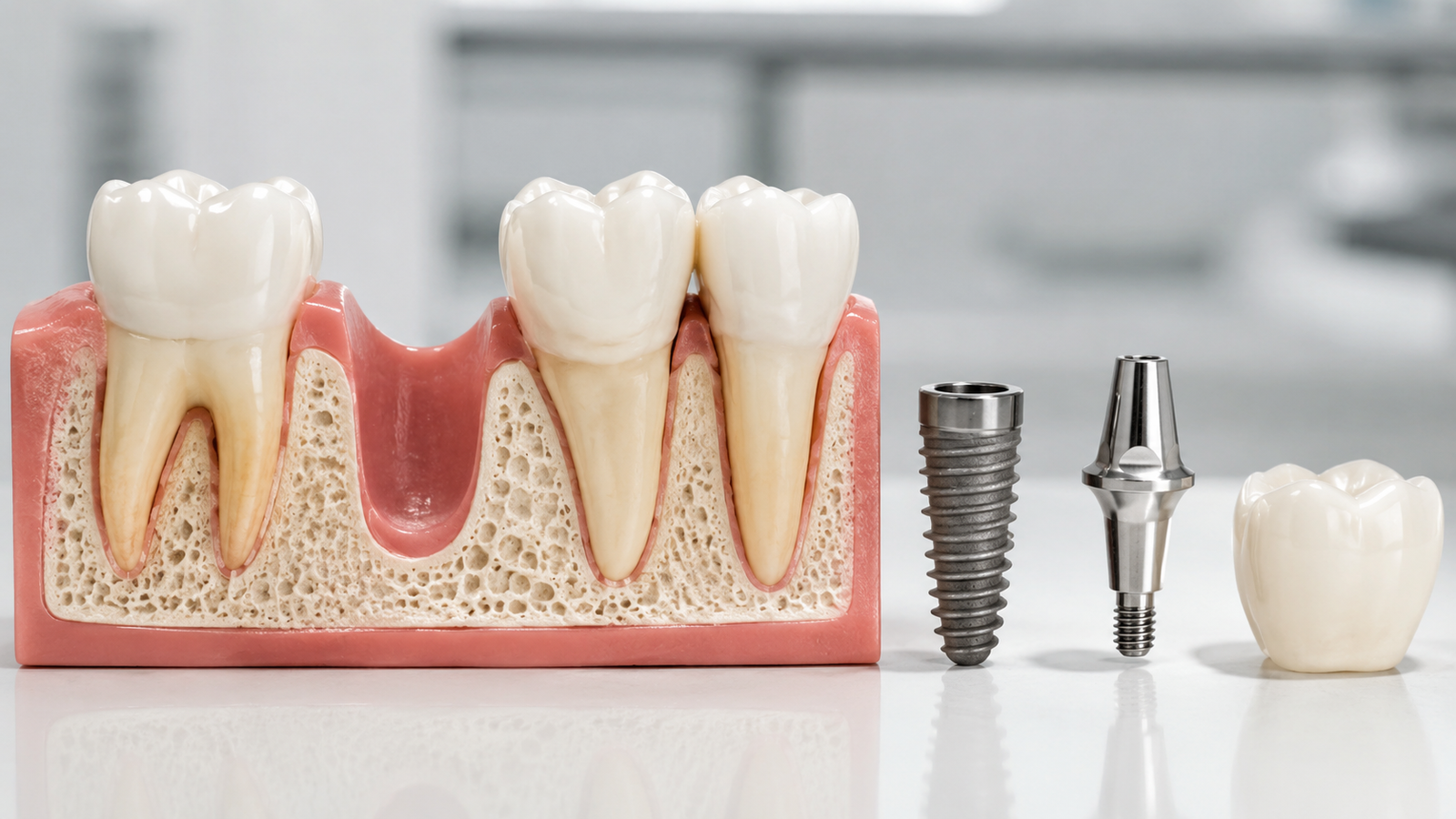
The dental implant process involves placing a small titanium post into the jawbone. This post acts as an artificial tooth root. Once the implant has healed and bonded with the bone, a connector called an abutment is attached, followed by a custom-made crown.
In general, the process may include:
- Dental consultation
- X-rays or 3D scan
- Treatment planning
- Tooth extraction, if needed
- Bone grafting, if needed
- Dental implant placement
- Healing and bone integration
- Abutment placement
- Final crown placement
Dental implants are usually completed in stages. This allows the implant to heal properly and become stable before the final tooth is attached.
Who Is Suitable for Dental Implants?
Dental implants may be suitable for patients who have one or more missing teeth and want a fixed, long-term replacement option.
You may be a suitable candidate if you:
- Have healthy gums
- Have enough jawbone to support the implant
- Maintain good oral hygiene
- Do not have uncontrolled gum disease
- Are in generally good health
- Do not smoke, or are willing to reduce or stop smoking
- Want a fixed alternative to removable dentures
However, not everyone is immediately suitable for dental implants. Some patients may need additional treatment first, such as gum treatment, tooth extraction, or bone grafting.
For example, if a tooth has been missing for a long time, the jawbone in that area may shrink. In this case, your dentist may recommend bone grafting to rebuild the area before placing the implant.
Patients with diabetes, heart conditions, or other medical conditions may still be able to receive implants, but the dentist will need to assess their health condition carefully before treatment.
Step by Step: The Dental Implant Process in Malaysia
Step 1: Initial Dental Consultation
The first step is a consultation with your dentist. During this appointment, the dentist will examine your teeth, gums, bite, and missing tooth area. They may also ask about your medical history, current medications, smoking habits, and previous dental treatments. This helps the dentist understand whether dental implants are a suitable option for you.
Step 2: X-Ray or 3D Scan
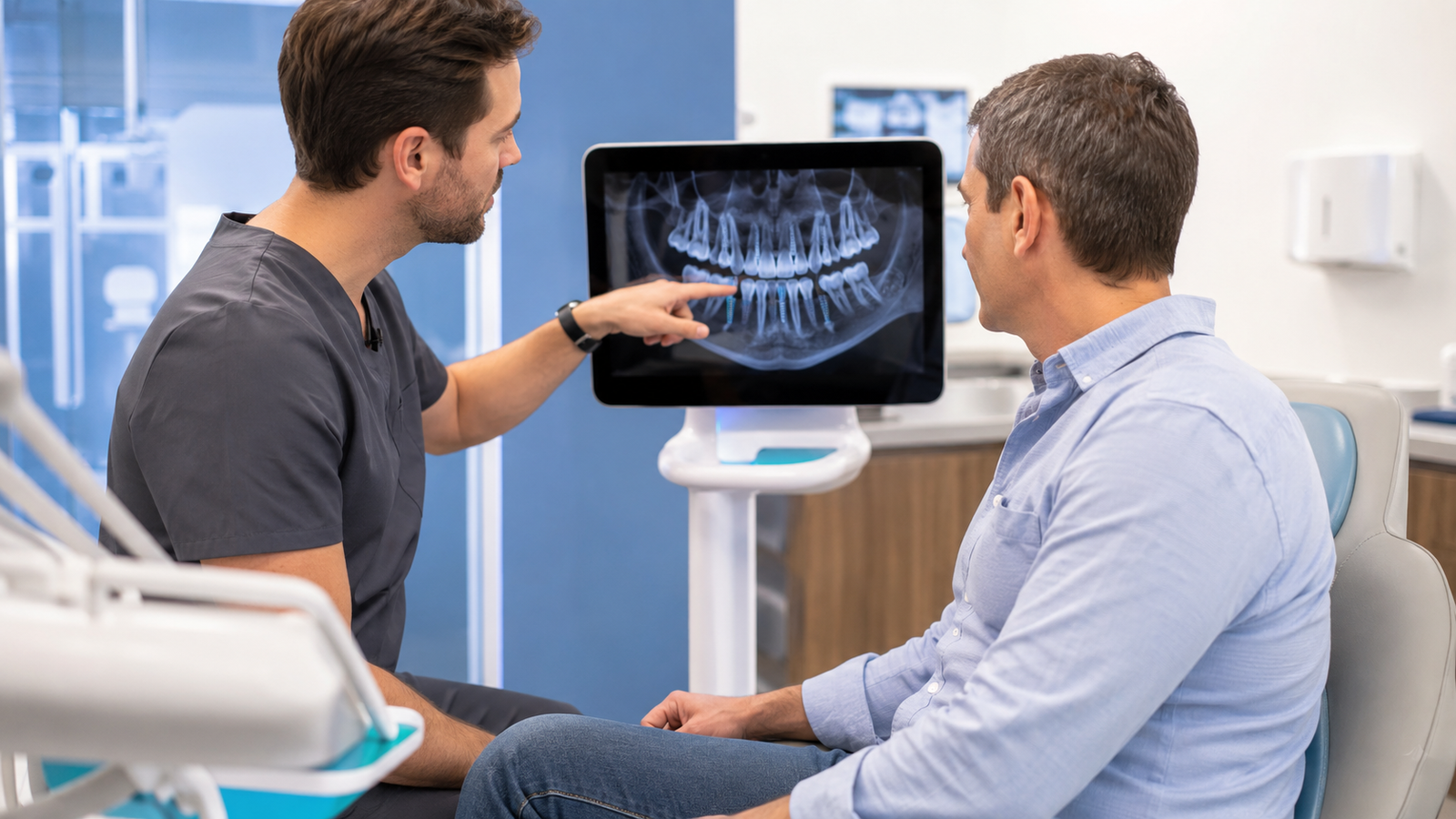
Before placing a dental implant, your dentist needs to check the condition of your jawbone. This is usually done with dental X-rays or a 3D scan.
The scan helps the dentist assess:
- Bone height
- Bone thickness
- Nerve position
- Sinus position
- Implant placement angle
- Overall jawbone condition
This step is important because the implant needs a strong enough bone for support.
Step 3: Treatment Planning
After reviewing your scan and oral condition, your dentist will prepare a personalised treatment plan.
This plan may include:
- Number of implants needed
- Type of crown or prosthetic tooth
- Whether extraction is needed
- Whether bone grafting is needed
- Estimated treatment timeline
- Expected number of appointments
A proper treatment plan helps ensure the final result is comfortable, stable, and natural-looking.
Step 4: Tooth Extraction (If Required)
If the damaged tooth is still present, it may need to be removed before implant placement. In some cases, the implant can be placed soon after extraction. In other cases, the area may need time to heal first. The timing depends on your bone condition, gum health, infection level, and overall treatment plan.
Step 5: Bone Grafting (If Required)
Bone grafting may be required if there is not enough bone to hold the implant securely.
This can happen when:
- A tooth has been missing for many years
- There has been gum disease
- The jawbone has shrunk
- There was infection around the old tooth
- The missing tooth area is too thin or soft
Bone grafting helps create a stronger foundation for the implant. If this step is needed, the total treatment time may be longer.
Step 6: Dental Implant Placement
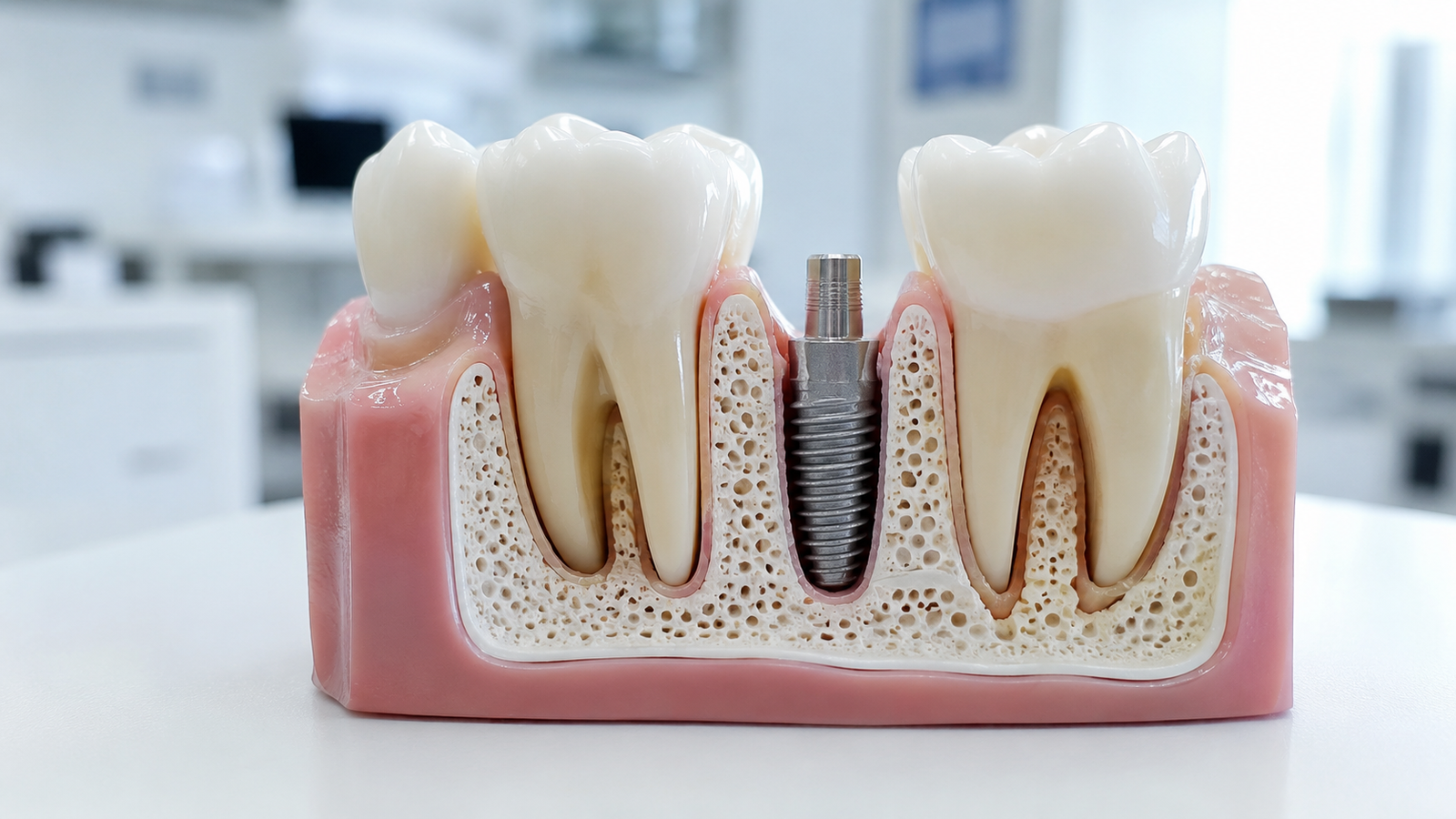
During implant surgery, the dentist places the titanium implant into the jawbone. Local anaesthetic is used to numb the area, so you should not feel sharp pain during the procedure.
After the implant is placed, the gum is closed around it. Depending on your case, you may receive a temporary tooth or be advised to wait until the implant has healed before the final crown is attached.
Step 7: Healing and Osseointegration
After implant placement, the jawbone needs time to heal around the implant. This process is called osseointegration. Osseointegration is when the bone naturally bonds with the implant, making it stable enough to support the final crown.
This stage usually takes a few months. During this time, it is important to follow your dentist’s aftercare instructions and avoid putting too much pressure on the implant area.
Step 8: Abutment Placement
Once the implant has healed and is stable, the dentist attaches an abutment. The abutment is a small connector between the implant and the final crown. In some cases, this requires a minor procedure to uncover the implant. After the abutment is placed, the gum may need some time to settle before the crown is fitted.
Step 9: Final Crown Placement
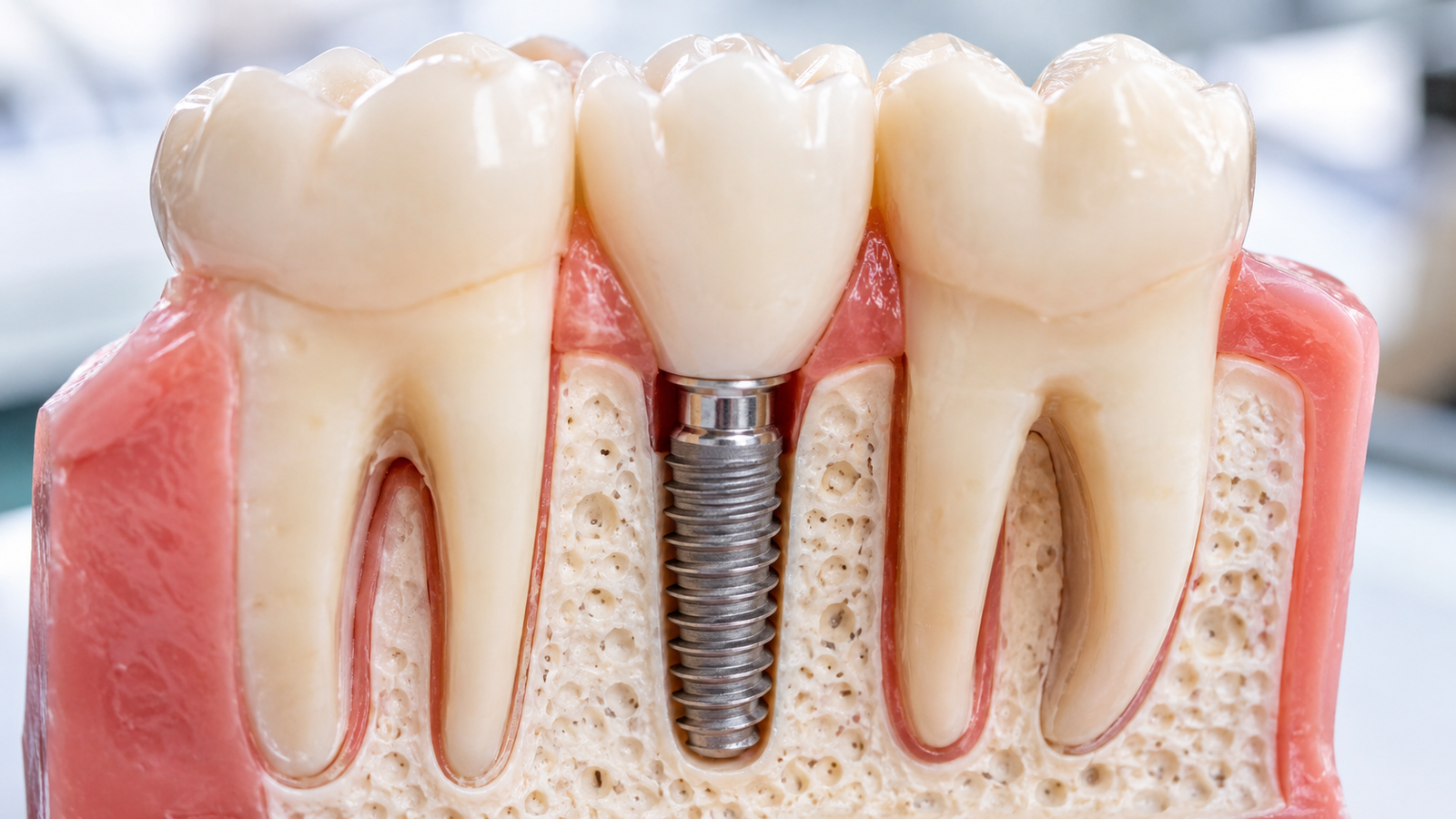 The final crown is custom-made to match the colour, shape, and size of your surrounding teeth. Once the crown is ready, it is attached to the abutment. Your dentist will check your bite and make small adjustments if needed. After this stage, your implant-supported tooth should look and function like a natural tooth.
How Long Does the Entire Process Take?
The full dental implant process usually takes around three to six months, but the exact timeline depends on your individual case. A straightforward case may be completed faster, especially if you have healthy gums and enough jawbone.
However, treatment may take longer if you need:
- Tooth extraction
- Bone grafting
- Gum treatment
- Multiple implants
- Sinus lift
- Additional healing time
Although the process takes time, each stage is important for long-term implant stability and success.
What to Expect After Each Stage
After the Consultation
You should have a clearer idea of whether dental implants are suitable for you. Your dentist may also explain alternative options such as dental bridges or dentures.
After Tooth Extraction
You may experience mild bleeding, swelling, and tenderness. Your dentist will usually advise you to avoid smoking, rinse carefully, and eat soft foods while the area heals.
After Bone Grafting
Some swelling and discomfort are normal. Healing time depends on the size of the graft and your body’s healing response.
After Implant Surgery
You may feel sore for a few days after implant placement. Soft foods are usually recommended during the early healing period. You should avoid chewing directly on the implant area unless your dentist says it is safe.
During Osseointegration
During the 3 to 6 month healing phase, the implant site should feel progressively more comfortable.Occasional mild pressure sensitivity, minor gum tenderness early on is normal and the temporary healing cap becomes visible as gum tissue settles.
Contact your dentist promptly if you experience persistent or worsening pain beyond the first two weeks, implant movement or looseness, swelling that returns after initially resolving, or fever.
After Crown Placement
Your new tooth may feel slightly different at first. After a short adjustment period, it should feel comfortable when speaking, smiling, and chewing.
Dental Implant Aftercare Tips
 Good aftercare is important for healing and long-term implant success.
After dental implant surgery, you should:
- Eat soft foods for the first few days
- Avoid chewing on the implant area
- Avoid smoking
- Avoid drinking through a straw immediately after surgery
- Brush gently around the area
- Follow your dentist’s medication instructions
- Attend all follow-up appointments
- Avoid hard, crunchy, or sticky foods during early healing
Once the final crown is placed, you should care for your implant like a natural tooth.
Long-term care includes:
- Brushing twice a day
- Flossing or using interdental brushes
- Going for regular dental check-ups
- Getting professional cleaning
- Avoiding smoking
- Managing gum health
Dental implants can last for many years, but they still need proper care. Poor oral hygiene can lead to gum inflammation, infection, and bone loss around the implant.